Best Pruning Shears For Arthritic Hands of 2026
If arthritis makes gardening painful, you’re not alone. Choosing the right pruning shears can make a world of difference. The best tools for arthritic hands are lightweight, easy to squeeze, and require minimal force to make clean cuts. This guide highlights shears designed to reduce strain and maximize comfort, helping you get back to enjoying your garden without the ache. Find a pair that works for you, not against your hands.
1. BUGUI 8″ Ratchet Pruning Shears

Beyond their powerful cutting ability, these BUGUI shears are thoughtfully designed for comfort and ease of use. The labor-saving mechanism directly addresses the challenges of reduced grip strength and joint pain, making them a recommended tool for various garden pruning tasks. Whether you’re deadheading flowers, trimming bushes, or cutting back small branches, the enhanced leverage means less fatigue and more enjoyable gardening sessions.
They also make a considerate and practical gift for any gardening enthusiast, particularly those who could benefit from a tool that genuinely lightens their workload. With a focus on performance and user comfort, these pruners empower you to cultivate a beautiful garden without unnecessary discomfort.
- Pros:
- Significant 5x cutting power reduction
- Rust-resistant, sharp stainless steel blades
- Low-friction coating for smooth cuts
- Cons:
- Ratchet mechanism requires multiple squeezes
- May feel less “instant” than bypass pruners
2. Fiskars Anvil Pruner with Power-Lever Technology

- Cut Capacity: 5/8 inch
- Blade Type: Anvil, precision-ground steel
- Technology: Power-Lever for enhanced cutting power
- Blade Coating: Low-friction, rust-resistant
The Fiskars Anvil Pruner with Power-Lever Technology is an indispensable tool, particularly effective for gardeners needing to manage dry, dead growth with minimal effort. Its anvil blade design is specifically engineered to crush through brittle, woody material, making it ideal for tasks like dead-heading spent flowers, stripping small logs, or cutting back branches that have succumbed to winter.
The standout feature, Power-Lever technology, significantly boosts leverage, providing more cutting power than conventional designs. This means less force is required from your hands, which can be a considerable advantage for individuals experiencing hand fatigue, weakness, or joint pain, allowing for more comfortable and sustained pruning sessions.
- Pros:
- Excellent for dry, dead wood and branches
- Power-Lever technology reduces cutting effort
- Durable, sharp, precision-ground steel blade
- Cons:
- Anvil design less suited for live, delicate stems
- 5/8-inch cut capacity may be limiting for larger tasks
3. Kynup Pruning Shears with SK-5 Steel Blades
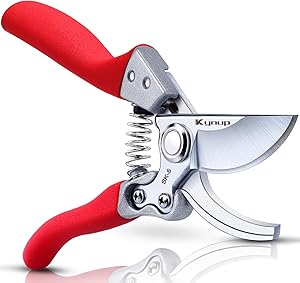
- Blade Material: Professional SK-5 steel
- Handle Material: Aviation-grade aluminum alloy with soft silicone
- Cut Capacity: Up to 1 inch (wood dependent)
- Safety Feature: One-button lock mechanism
The Kynup Pruning Shears are designed to offer a comfortable and efficient pruning experience, making them a strong contender for gardeners, especially those looking for tools that ease hand strain. Their highly sharp blades, crafted from professional SK-5 steel, are ultra-strong, rust, and corrosion-resistant, ensuring precise and effortless cuts every time.
This superior blade quality not only saves time but significantly reduces the physical effort required for pruning, which is a major benefit for individuals with arthritis or those seeking to minimize hand fatigue during gardening tasks. The robust performance ensures clean cuts across a variety of plants.
- Pros:
- Ultra-sharp, rust-resistant SK-5 steel blades
- Comfortable, anti-slip soft silicone ergonomic handles
- Easy-to-use one-button lock mechanism
- Cons:
- “Up to 1 inch” capacity can vary significantly by wood type
- 8.6″ size might feel large for gardeners with smaller hands
4. EZ Kut Heavy Duty Ratcheting Pruning Shears

- Cut Capacity: Up to 1.5 inches
- Blade Material: SK5 hardened carbon steel
- Mechanism: Ratcheting action
- Handle Design: Non-slip cushioned with shock-absorbing pads
The EZ Kut Heavy Duty Ratcheting Pruning Shears are a formidable tool designed for gardeners who need serious cutting power without the associated hand strain. Equipped with a premium SK5 hardened carbon steel blade, these shears effortlessly slice through branches up to an impressive 1.5 inches thick.
The non-stick coating on the blade ensures smooth operation, preventing sap and debris from gumming up the works and reducing friction for easier, cleaner cuts. This heavy-duty performance makes them suitable for a wide array of tasks, from trimming robust stems to shaping dense shrubs, proving invaluable for both professional landscapers and dedicated home gardeners.
- Pros:
- Impressive 1.5-inch cutting capacity
- Ratcheting action greatly reduces hand fatigue
- Ergonomic cushioned handle with shock absorption
- Cons:
- Ratcheting can make cuts slower than single-snip bypass
- May be heavier than non-ratcheting models
5. gonicc 8.5″ Professional Rotating Bypass Pruning Shears

- Weight: 4 oz.
- Dimensions: 8.5″L x 8.5″W
- Style: Rotating Bypass Titanium Pruning Shears
- Color: Golden Rotating Titanium Bypass Pruning Shears
What truly sets these pruners apart is their unique bi-directional spring-return rotating soft grip handle. This innovative feature allows the handle to rotate naturally with the motion of your hand, virtually eliminating strain and fatigue, making the cutting action feel much more fluid and ergonomic.
This design makes the tool exceptionally robust and suitable for both right and left-handed users. Further enhancing user comfort are the integrated cushion and shock absorber, which soften the impact upon completing a cut, protecting your hand and wrist from jarring forces. With a smart sap groove design to prevent sticking and a durable construction built to last, the gonicc rotating pruners offer an unparalleled, strain-free gardening experience.
- Pros:
- Titanium-coated SK5 blade for durability and sharpness
- Unique bi-directional rotating handle greatly reduces strain
- Excellent shock absorption protects hands and wrists
- Cons:
- Rotating handle may take some getting used to
- 8.5″ size could be large for very small hands
6. FLORA GUARD Ratchet Pruning Shears
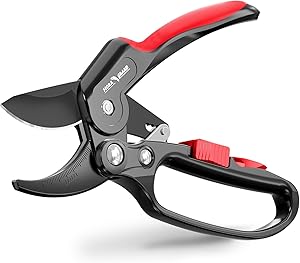
- Blade Material: SK5 high-quality steel
- Cutting Power: 3x increase with ratchet mechanism
- Handle Material: Integrated aluminum alloy
- Blade Design: Classic 23° double-sided open edge
The FLORA GUARD Ratchet Pruning Shears are expertly designed to provide gardeners with enhanced cutting power and reduced hand fatigue, making them an excellent choice for individuals with weak hands or arthritis. What truly distinguishes the FLORA GUARD shears is their classic three-stage ratchet structure. This leverage-based design significantly amplifies your force, increasing cutting power by three times, meaning even large-diameter tasks become manageable with minimal strain on your hand muscles.
The integrated heavy-duty aluminum alloy handle contributes to unparalleled stability and durability, while its classic ergonomic design ensures a perfect grip experience. This thoughtful engineering reduces hand muscle fatigue, making extended gardening sessions more comfortable and enjoyable. For those new to ratchet shears, clear instructions are provided on how to leverage the mechanism effectively, allowing you to gradually cut through thicker stems with controlled, incremental pressure. These shears are a practical and powerful tool for trimming roses, flowers, hedges, stems, and small trees, truly perfect for sensitive hands.
- Pros:
- SK5 high-quality steel blade for superior cutting
- 3x cutting power increase with ratchet mechanism
- Durable, integrated aluminum alloy handle
- Cons:
- Ratchet mechanism requires multiple squeezes per cut
- 3x power increase might be less than other ratchet models
How to Choose Pruning Shears For Arthritic Hands
Gardening brings immense joy, but for those with arthritic hands, the simple act of pruning can become a painful chore. Stiff joints, reduced grip strength, and discomfort often turn a beloved hobby into a daunting task. The right tools, however, can make all the difference, transforming strain into serenity. This article delves into the world of pruning shears specifically designed to alleviate the challenges faced by gardeners with arthritis. We’ll explore innovative features like ergonomic handles, ratchet mechanisms, and lightweight designs that empower you to trim, snip, and shape your garden without the usual aches and pains. Discover how selecting the ideal shears can help you reclaim the pleasure of nurturing your plants with comfort and ease.
Understanding Arthritis and Pruning Challenges
Arthritis, characterized by joint inflammation, impacts hand dexterity and strength. Gardeners often face difficulty gripping tools, applying pressure, and performing repetitive motions. Pain, stiffness, and reduced strength make traditional shears agonizing. Choosing tools that mitigate these challenges is crucial for garden health and personal well-being.
Key Features to Look For
1. Ergonomics and Handle Design
The handle is your primary interface, making its design paramount. Prioritize handles that are:
- Non-Slip and Soft-Grip: Rubber or gel offers cushioned, secure grip, minimizing pressure and absorbing shock.
- Contoured and Shaped: Handles conforming to natural hand curves distribute pressure evenly, reducing strain.
- Appropriate Size/Fit: Shears must fit comfortably. Look for adjustable or multiple size options.
- Rotating Handles: Allow natural finger movement, preventing friction and reducing wrist/hand strain during repetitive actions.
2. Cutting Mechanism
This is critical for weakened grip or joint pain, directly influencing required force.
- Ratcheting Pruners: Make cuts in several easy steps, multiplying power for thick branches with minimal effort. Ideal for woody stems.
- Anvil Pruners: Best for dry, dead wood. Blade crushes material against a flat surface, requiring less strength. Avoid for live plants to prevent bruising.
- Bypass Pruners (with power assist): For clean cuts on live green growth. Seek models with enhanced springs or leverage to reduce squeeze force.
- Leverage-Assisted (Power-Lever) Pruners: Use gearing or levers to amplify hand strength, reducing effort for thicker branches without multiple ratchet steps.
3. Weight and Balance
A heavy tool quickly causes fatigue and exacerbates joint pain. Opt for lightweight yet durable materials like aluminum or composites. Good balance is crucial; evenly distributed weight prevents awkward handling and wrist strain.
4. Blade Quality and Type
Sharp, high-quality blades require less force. Key aspects:
- High-Quality Steel: SK5 carbon or hardened stainless steel offers superior sharpness, edge retention, and durability.
- Non-Stick and Rust-Resistant Coatings: Reduce friction for smoother cuts, prevent sap sticking, and protect against rust.
- Bypass vs. Anvil for Arthritis: Bypass for live, anvil for dead. For arthritis, choose based on which cutting action causes less pain. Ratcheting bypass often offers versatility.
5. Safety Features
An easily accessible, secure locking mechanism is essential. A one-handed thumb lock is preferred. Some shears offer hand guards for finger protection.
6. Spring Action
A good spring ensures blades open smoothly and gently, reducing repetitive effort. A responsive, well-tensioned spring minimizes strain.
Additional Considerations
Maintenance and Durability
Durable shears mean less frequent replacement. Check for sharpenable/replaceable blades and rust resistance. Easy-to-clean tools save hands from strenuous scrubbing.
Trial and Fit
Whenever possible, try different models. Comfort varies individually. If buying online, read reviews from users with similar hand issues.
Price vs. Value
Specialized shears may cost more, but they’re an investment in comfort and continued gardening. Pain-free pruning outweighs initial cost.
Tips for Pain-Free Pruning with Arthritis
Even with the best tools, integrating good practices reduces discomfort:
- Warm-Up: Gently stretch hands and fingers before gardening.
- Take Breaks: Don’t push through pain. Take frequent short rests.
- Wear Gloves: Padded gloves offer cushioning and warmth for arthritic joints.
- Proper Technique: Let the tool work. Avoid twisting your wrist; keep it neutral.
- Don’t Overdo It: Listen to your body. Prune in shorter sessions over several days.
Conclusion
Living with arthritis doesn’t mean giving up gardening. By carefully selecting pruning shears with ergonomic features, power-assisting mechanisms, and lightweight, durable materials, you can significantly reduce strain and discomfort. Prioritizing features like ratcheting actions, comfortable handles, and sharp blades will empower you to enjoy your hobby once again, transforming painful chores into pleasurable tasks. Reclaim your garden and your passion with the right tools in hand.