
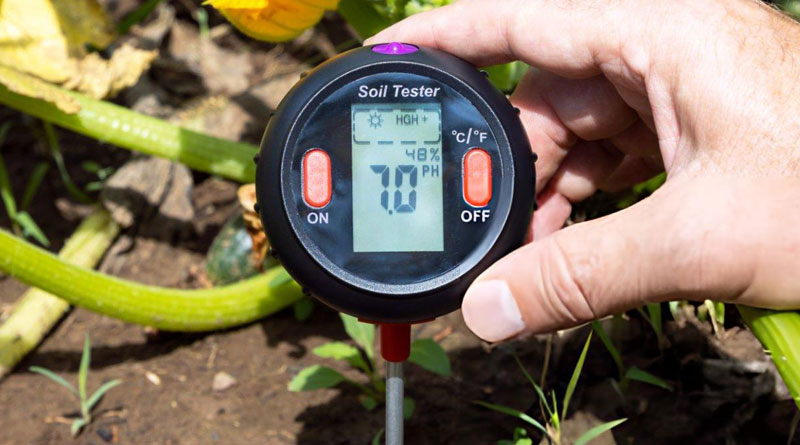
Best Soil pH Test Kits of 2026
An imbalanced pH can lock up essential nutrients, even if they’re present in abundance, leading to stunted growth, discoloration, and diminished yields. Fortunately, various soil pH test kits are available to simplify this vital assessment. This guide will walk you through the best options to help you pinpoint the perfect testing solution for your specific gardening needs, ensuring your plants thrive.
1. Jonathan Green Soil pH Test Kit for Lawns
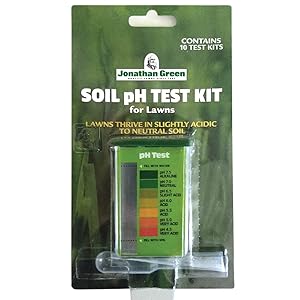
- Test Type: Color comparator capsules
- Tests Included: 10 individual pH tests
- Measurement Time: 10 minutes
- Water Requirement: Distilled water or rainwater
The Jonathan Green Soil pH Test Kit offers a straightforward and reliable method for determining the pH balance of your lawn’s soil. Designed specifically with lawns in mind, this kit helps gardeners ensure their grass is growing in the optimal pH range of 6.2 to 7.0, which is crucial for nutrient uptake and overall lawn health. With ten individual test capsules included, it provides ample opportunities for multiple readings across different areas of your lawn or for routine testing throughout the growing season.
A key feature of this kit is its comprehensive nature, including not only the pH test capsules and a water dropper but also a color comparator, detailed instructions for adjusting soil pH, and a valuable pH preference list for over 450 plants. This added information makes it incredibly useful beyond just identifying the pH, guiding you on how to amend your soil to create the ideal environment for your plants.
- Pros:
- Accurately measures soil pH quickly
- Includes 10 tests for multiple readings
- Comes with a comprehensive pH preference list
- Cons:
- Requires distilled water or rainwater for accuracy
- Primarily focused on lawn applications
2. iPower 3-in-1 Soil Meter

- Functions: Moisture, pH, Light
- Power Source: No battery needed (conductivity-based)
- Moisture Range: 1-10 (Dry, Normal, Wet)
- pH Range: 3.5-8 PH (Acidic, Normal, Alkaline)
The iPower 3-in-1 Soil Moisture/pH/Light Meter offers a versatile and convenient solution for gardeners looking to monitor key soil conditions without the hassle of batteries. This single device integrates three essential measurements: soil moisture, pH level, and sunlight intensity. Its operation is refreshingly simple; just insert the sensing probe into the soil and switch the mode button to get an instant reading on the large, clear dial. This ease of use, combined with the absence of battery requirements, makes it a highly accessible option for beginners and experienced gardeners alike who want quick, on-the-spot assessments.
While its reliability is based on conductivity differences. The manufacturer advises against using it in excessively hard or loose soil and emphasizes keeping the probe clean and dry after each use to maintain accuracy. With clear reference ranges provided for moisture, pH, and light, users can quickly interpret results and make necessary adjustments to their plant care routine, promoting healthier growth. Its lightweight and portable design further enhances its appeal.
- Pros:
- Measures 3 key parameters (moisture, pH, light)
- No batteries required for operation
- Large, clear dial for easy reading
- Cons:
- Not suitable for testing liquids
- Accuracy can be affected by very dry/hard soil
3. SONKIR MS02 3-in-1 Soil Tester
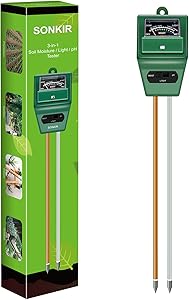
- Functions: Moisture, pH, Light
- Power Source: No battery needed
- Display: Analog readout panel
- Application: Indoor & outdoor use
The SONKIR MS02 3-in-1 Soil Moisture/Light/pH Tester is a practical and user-friendly tool for plant enthusiasts seeking to understand their soil conditions better. Like similar multi-function meters, it efficiently measures three crucial aspects: soil moisture level, soil pH value, and sunlight intensity, all accessible with a simple switch of a button. One of its most appealing features is its complete self-sufficiency; it operates without the need for any batteries, relying purely on the soil’s properties for its readings. This not only makes it environmentally friendly but also ensures it’s always ready for use.
Crafted with sturdy and scientific design principles, this soil meter is built for durability and long-term use. Its portable and compact design makes it incredibly convenient for a wide range of applications, from monitoring houseplants and garden beds to larger farms and lawns. It’s a versatile kit suitable for both indoor and outdoor use. However, it’s crucial to note that this tester is not designed for liquids and requires the soil to be sufficiently moist for accurate readings; if the soil is too dry, the indicator will not move, necessitating prior watering.
- Pros:
- Multi-functional (moisture, pH, light)
- No batteries required, always ready to use
- Sturdy and durable construction
- Cons:
- Cannot be used to test liquids
- Requires moist soil for accurate readings
4. LaMotte Model EL Turf and Garden Soil Test Kit
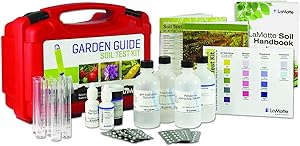
- Tests Included: Nitrogen, Phosphorus, Potassium (15 each), pH (30 tests)
- Test Procedure: Rapid chemical tests
- Included Guides: Garden Guide manual, LaMotte Soil Handbook
- Purpose: Education and garden analysis
The LaMotte Model EL Turf and Garden Soil Test Kit stands out as a comprehensive solution for gardeners and educators who need detailed insights into their soil’s composition. Far beyond just pH, this kit allows users to measure concentrations of essential macronutrients: nitrogen, phosphorus, and potassium, with 15 tests provided for each, alongside a generous 30 tests for soil pH. This multi-parameter testing capability provides a holistic view of your soil’s health, crucial for understanding nutrient deficiencies or excesses before embarking on any gardening project.
What truly elevates the LaMotte kit is its educational value and the depth of information it provides. It comes complete with a “Garden Guide” manual and the “LaMotte Soil Handbook,” which are invaluable resources for interpreting test results and translating them into actionable lime and fertilizer recommendations. This empowers users to make precise adjustments. Whether for soil science education or serious garden analysis, this kit equips you with everything required for thorough soil testing, moving beyond guesswork to scientific cultivation.
- Pros:
- Comprehensive testing for NPK and pH
- Includes detailed instructions and color charts
- Comes with educational manuals for interpretation
- Cons:
- Chemical tests require careful handling
- More involved and time-consuming than digital meters
5. HSLGOVE 7-in-1 Dual Screen Soil Test Kit

- Functions: Moisture, pH, Fertility, Soil Temp, Air Temp, Air Humidity, Light
- Display: Dual (Dial & LCD Screen)
- Probe Design: Single, 3-metal effective probe
- Power: Requires 3 batteries
The HSLGOVE 7-in-1 Dual Screen Soil Test Kit redefines comprehensive plant care by integrating a remarkable seven crucial environmental measurements into a single, user-friendly device. Designed particularly for beginners, this innovative tester features a built-in 1.6″ chips board capable of assessing soil moisture, pH, fertility, soil temperature, light intensity, air temperature, and air humidity. This extensive range of data, displayed across both a traditional dial and a clear LCD screen, provides an unparalleled understanding of your plant’s environment, moving beyond simple pH checks to a truly holistic approach to gardening.
The kit boasts an effective probe based on three kinds of quality metal materials, ensuring accurate, strong, and durable performance for long-term use. With a length of about 6.8 inches, it’s suitable for medium to large potted plants, allowing for quicker soil analysis and more precise data collection with minimal harm to the root system due to its single probe design. Easy to use, simply insert the probe more than 3 inches into the soil and switch modes to get immediate results, or monitor the hygrometer/thermometer functions within minutes.
- Pros:
- Measures 7 critical environmental factors
- Dual screen (dial & LCD) for comprehensive data
- Easy to use, especially for beginners
- Cons:
- Requires 3 batteries for operation
- Not designed for testing liquids
6. MySoil Mail-In Professional Soil Test Kit
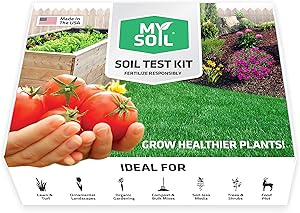
- Test Type: Mail-in professional lab analysis
- Measurements: 13 plant-available nutrients (including Nitrogen) & pH
- Results Time: 6-8 days
- Recommendations: Organic and non-organic fertilizer advice
The MySoil Soil Test Kit offers a professional-grade solution for gardeners who demand the highest accuracy and a comprehensive understanding of their soil’s composition. Unlike at-home pH meters or test strips, this kit provides a mail-in laboratory analysis. This professional analysis eliminates the guesswork, giving you a detailed snapshot of your soil’s health, which is crucial for fostering sustainable and thriving lawns and gardens. While the results take a bit longer (6-8 days), the depth and reliability of the data received are unmatched by simpler at-home methods.
Beyond just providing numbers, MySoil distinguishes itself by offering custom recommendations tailored specifically to your soil’s unique profile and your plant needs. It clearly outlines what products to apply, how much to use, and when to apply them, covering both organic and non-organic fertilizer options. This guidance is invaluable for optimizing your soil, saving you time and money by preventing the application of unnecessary products.
- Pros:
- Professional lab-grade accuracy
- Measures 13 crucial plant-available nutrients and pH
- Provides customized, actionable recommendations
- Cons:
- Results take 6-8 days due to mail-in process
- Single-use kit, requires repeat purchases for ongoing testing
7. Garden Tutor Soil pH Test Kit with AI Web Reader

- Test Type: 3rd Generation, 3-pad pH test strips
- Strips Included: 100
- pH Range: 3.5–9
- Key Feature: AI-powered web reader for digital precision
The Garden Tutor Soil pH Test Kit revolutionizes traditional pH strip testing by integrating professional-grade accuracy with innovative AI-powered web reader technology. Designed specifically for soil, its 3rd Generation, 3-pad test strips deliver quick and consistent results within approximately 60 seconds, covering a broad pH range from 3.5 to 9.0. What truly sets this kit apart is its upgraded web-based AI reader. Instead of subjective manual color matching, users simply take a photo of their test strip against a provided template, upload it, and receive instant, digitally precise pH results.
This comprehensive solution, designed by gardeners for gardeners, includes 100 soil tester strips, ensuring plenty of tests for all your lawn, landscape, and garden needs. Beyond just testing, the kit provides a full-color pH testing handbook, the AI test strip reader template, and an online lime and sulfur application estimator. This complete package empowers gardeners to not only accurately determine their soil’s pH but also to confidently make the necessary adjustments to optimize nutrient availability.
- Pros:
- Professional-grade accuracy for soil pH
- Innovative AI-powered web reader for precision
- Quick results in approximately 60 seconds
- Cons:
- Requires a smartphone/device for AI reader
- Still involves a manual step of taking a photo
How to Choose Soil pH Test Kits
Soil pH is arguably the most critical factor influencing plant health and growth. It dictates the availability of essential nutrients to your plants, determining whether they can absorb what they need from the soil or if vital elements remain “locked up,” leading to deficiencies or toxicities. A balanced pH ensures that roots can efficiently take in nutrients, promoting robust growth, vibrant foliage, and bountiful harvests. Conversely, an imbalanced pH can lead to stunted development, yellowing leaves, poor flowering, and reduced yields, regardless of how much fertilizer you apply. For any gardener, from beginner to seasoned expert, understanding and managing soil pH is a foundational step towards cultivating a thriving garden or a lush lawn. Choosing the right soil pH test kit is the first step in unlocking your garden’s full potential, providing the insights needed to make informed decisions about soil amendments and plant care.
Why Soil pH Matters for Your Plants
Soil pH is a measure of its acidity or alkalinity, expressed on a scale from 0 to 14. A pH of 7 is neutral, anything below 7 is acidic, and anything above 7 is alkaline (or basic). The vast majority of plants thrive in a slightly acidic to neutral range (pH 6.0-7.0), though some, like blueberries and azaleas, prefer highly acidic conditions, while others, such as lilacs and clematis, prefer slightly alkaline soil. The reason this number is so important lies in its direct impact on nutrient availability.
When soil pH is too high or too low for a particular plant, certain nutrients, even if present in adequate amounts, become chemically bound and inaccessible to the plant’s roots. For instance, in highly acidic soils, nutrients like phosphorus, calcium, and magnesium can become less available, while aluminum and manganese might become toxic. In very alkaline soils, micronutrients like iron, zinc, and manganese can become unavailable, leading to chlorosis (yellowing of leaves).
Ignoring your soil’s pH can lead to a host of problems that often get misdiagnosed as nutrient deficiencies. You might apply more fertilizer, only to find your plants still struggling because the underlying pH issue is preventing nutrient uptake. Regular soil pH testing allows you to identify these imbalances early, enabling you to apply appropriate amendments—such as lime to raise pH or sulfur to lower it—and create an optimal growing environment that maximizes nutrient absorption and supports vigorous plant growth.
Understanding Different Types of Soil pH Test Kits
When it comes to measuring your soil’s pH, you have several options, each with its own advantages and disadvantages. Understanding these different types will help you choose the best kit for your specific needs, gardening style, and desired level of detail.
1. Liquid/Capsule Chemical Test Kits
These kits typically involve taking a soil sample, mixing it with water (often distilled), and then adding a chemical reagent, usually in liquid or capsule form. The mixture changes color, which you then compare to a provided color chart to determine the pH. These kits are generally accurate for pH readings and are a good choice for gardeners who want a reliable pH measurement without the complexities of digital meters. Many kits come with multiple tests, allowing for repeated use or testing different areas of the garden. However, the color matching can be subjective, and they often require distilled water for accuracy, which can be an extra step. They also exclusively test for pH and don’t provide other soil insights.
2. pH Test Strips
Similar to the chemical kits, pH test strips work by reacting with a soil-water mixture and changing color. You dip a strip into a diluted soil sample, wait for a specified time, and then compare its color to a chart. Test strips are very affordable, quick, and incredibly easy to use, making them a popular choice for beginners or those needing frequent, rapid checks. However, their precision can be less than that of liquid kits or digital meters, and the color matching can still be subjective. The accuracy can also be affected by soil particles in the water. More advanced versions, like those with AI-powered web readers, aim to improve precision by digitally interpreting the color, removing some of the guesswork.
3. Digital pH Meters (Probe-style)
Digital pH meters are instruments with a metal probe that you insert directly into the soil. They measure the electrical potential difference in the soil and display the pH reading on a digital screen. Many models are multi-functional, also measuring soil moisture and light intensity. Their main advantages include quick results, ease of reading (no color charts), and often no consumables needed (though some require batteries). For quick, on-the-spot assessments, they are highly convenient. However, the accuracy of digital meters can vary significantly between brands and models. They often require calibration for long-term accuracy and can be sensitive to very dry or hard soil, sometimes requiring the soil to be moistened beforehand. They provide an instant reading but don’t offer the comprehensive nutrient analysis of lab tests.
4. Mail-In Lab Test Kits
Mail-in lab test kits involve collecting a soil sample and sending it to a professional laboratory for analysis. This is considered the most accurate and comprehensive method. Labs not only provide precise pH readings but also typically measure macronutrients (Nitrogen, Phosphorus, Potassium), micronutrients, organic matter content, and sometimes even soil texture. The results usually come with detailed interpretations and highly specific recommendations for amendments and fertilizers tailored to your soil type and desired plants. While slower (results can take days to weeks) and generally more expensive, a lab test provides an unparalleled depth of insight, eliminating all guesswork and optimizing your plant’s environment. It’s an excellent choice for serious gardeners, farmers, or anyone struggling with persistent plant health issues.
Key Factors to Consider When Choosing
Selecting the ideal soil pH test kit involves weighing several factors against your specific gardening goals and resources.
1. Accuracy and Precision
The reliability of your results is paramount. Professional lab tests offer the highest accuracy, followed by good quality digital meters and liquid chemical kits. Test strips, especially basic ones, can be less precise. Consider how critical exact pH values are for your plants; highly sensitive plants might benefit more from precise methods.
2. Ease of Use
Think about your comfort level with different testing procedures. Digital meters are typically the easiest for quick checks, requiring just insertion into the soil. Chemical kits involve mixing and color comparison, which can be more involved. Test strips are simple but require careful observation. Mail-in kits require careful sample collection but outsource the technical analysis.
3. What You Need to Measure (Beyond pH)
Do you only need pH, or are you interested in other factors? If you need moisture and light readings, a 3-in-1 digital meter is a convenient choice. If you suspect nutrient deficiencies or want a complete nutrient profile, a mail-in lab test or a comprehensive chemical kit (like those testing NPK) will be more beneficial. Don’t pay for features you don’t need, but also ensure the kit covers your minimum requirements.
4. Cost and Value
Soil pH test kits range widely in price. Basic test strips are very inexpensive, while high-quality digital meters or comprehensive lab tests can be a significant investment. Consider the cost per test if you plan to do frequent testing. A more expensive kit that provides highly accurate and actionable data can offer better long-term value by preventing costly mistakes or wasted fertilizers.
5. Durability and Maintenance
Digital meters with probes require proper cleaning and sometimes calibration to maintain accuracy and longevity. Chemical reagents in liquid kits have a shelf life and need careful storage. Test strips should also be stored correctly to prevent degradation from moisture or light. Consider how much maintenance you are willing to undertake for your chosen kit.
6. Specific Plant Needs
Certain plants have very specific pH requirements. If you’re growing acid-loving plants like rhododendrons or blueberries, or attempting to grow finicky vegetables, more precise pH monitoring might be necessary. For general gardening with tolerant plants, a less precise but easy-to-use kit might suffice.
7. Convenience and Speed
How quickly do you need your results? Digital meters and test strips provide instant feedback, which is great for quick adjustments or frequent monitoring. Chemical kits take a few minutes. Mail-in lab tests, while most comprehensive, have the longest turnaround time, which might not be suitable if you need immediate answers for a struggling plant.
How to Use Your Soil pH Test Kit Effectively
Once you’ve chosen your kit, proper usage is key to obtaining accurate and actionable results.
1. Sample Collection
No matter the kit, start by collecting representative soil samples. Take several small samples from different areas of your garden, especially where plants are struggling or where you plan new plantings. Avoid areas right next to foundations or driveways, as these can skew results. Dig down to the root level (typically 4-6 inches for most plants), remove any surface debris like grass or mulch, and then mix the samples thoroughly to get an average representation of your garden’s soil. For a single plant, take a sample near its root zone.
2. Preparation and Testing
Always follow the specific instructions provided with your test kit meticulously. For chemical kits, this often means using distilled water or rainwater, as tap water can have its own pH and mineral content that will affect the reading. Ensure the soil is adequately moist for probe-style digital meters; if the soil is too dry, the probe won’t work effectively. Calibrate digital meters as recommended by the manufacturer to ensure ongoing accuracy. For test strips, ensure the soil-water mixture is well-mixed and free of large particles.
3. Interpreting Results and Taking Action
Once you have your pH reading, compare it to the ideal pH range for the plants you are growing or plan to grow. Most kits will come with a guide or a list of plant preferences. If your pH is off, you’ll need to amend your soil. To lower pH (make it more acidic), you can incorporate elemental sulfur, peat moss, or aluminum sulfate. To raise pH (make it more alkaline), agricultural lime (calcitic or dolomitic) is commonly used. Remember that soil amendments take time to work, often weeks or months. Apply them gradually, following recommended dosages, and retest your soil periodically (every 6-12 months) to monitor changes and maintain the desired pH level. This iterative process ensures your soil remains a hospitable environment for your thriving garden.
Conclusion
Investing in a good soil pH test kit is one of the most fundamental and impactful decisions a gardener can make. By understanding and managing your soil’s pH, you unlock the full potential of your garden, ensuring that your plants receive the nutrients they need to flourish. Whether you opt for the quick convenience of a digital meter, the detailed insights of a chemical kit, the simple accessibility of test strips, or the comprehensive accuracy of a professional lab analysis, the key is to choose a kit that aligns with your specific gardening needs, budget, and desired level of detail. Regular testing and informed adjustments will transform your gardening efforts, leading to healthier, more vigorous plants and a truly rewarding growing experience.