
Best Masonry Trowels of 2026
Choosing the right masonry trowel is fundamental for any builder, whether a seasoned professional or a weekend DIY enthusiast. These seemingly simple tools are the extension of a mason’s hand, crucial for everything from precisely spreading mortar and setting bricks to intricate pointing and finishing work. The vast array of options—from London-style brick trowels to compact pointing and versatile margin trowels—can be daunting.
1. Bon 72-585 Keystone Forged 13-inch Narrow London Brick Trowel
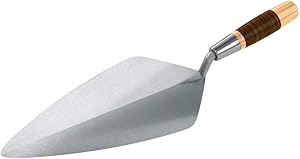
- Material: Forged from a single piece of carbon steel
- Durability: Will not weaken or crack under strenuous use
- Hardness: Heat tempered for uniform hardness
- Finish: Hand polished blade
The Bon 72-585 Keystone Forged 13-inch Narrow London Brick Trowel is a testament to traditional craftsmanship and enduring quality, designed for masons who demand the absolute best. Forged from a single piece of high-grade carbon steel, this trowel stands out for its exceptional strength and integrity. Its meticulous heat tempering ensures uniform hardness across the entire blade. The narrow London pattern is ideal for precise mortar placement, making it a favorite for bricklayers working on detailed jobs or those who prefer a lighter, more nimble tool. The hand-polished finish not only gives it a professional aesthetic but also allows for smoother mortar release.
Masons often laud this trowel for its superb balance and comfortable leather handle, which molds to the hand over time. The “Keystone Forged” symbol isn’t just a marketing tag; it’s a mark of quality and a promise of durability that Bon Tools has upheld for generations. While its premium construction comes at a higher price point, the longevity and superior performance it delivers make it a worthwhile investment for professionals. This trowel is engineered not just to perform, but to endure the rigors of daily use, becoming a trusted companion for countless masonry projects where precision and reliability are paramount.
- Pros:
- Exceptional single-piece forged durability
- Superior strength and crack resistance
- Uniform hardness for consistent performance
- Cons:
- Higher initial cost
- Leather handle requires occasional care
2. Kraft Tool RO1416-12 12″ Narrow London Brick Trowel

- Handle Material: Plastic
- Blade Material: Alloy Steel
- Weight: 1.15 Pounds
- Style: Classic
While it may lack the heirloom quality of a fully forged steel trowel with a leather handle, the Kraft Tool RO1416-12 excels in its utility and affordability. It’s a workhorse designed for consistent performance without demanding excessive care. Manufactured in the United States, it benefits from domestic quality control, ensuring it meets professional standards for strength and design.
This trowel is an excellent choice for apprentices, DIYers, or experienced masons who need a dependable, easy-to-manage brick trowel that can withstand regular use and environmental elements without compromise. Its blend of practical design and solid construction makes it a valuable addition to any masonry toolkit, ready for a wide range of bricklaying applications.
- Pros:
- Durable, low-maintenance plastic handle
- Lightweight design reduces fatigue
- Good balance of capacity and precision
- Made in the United States, ensuring quality
- Cons:
- Lacks the traditional feel of wood/leather
- Blade material not specified as forged
- Plastic handle may offer less shock absorption
3. Goldblatt Industries Margin Trowel Set

- Blade Material: High-carbon steel
- Set Configuration: Includes 6″x2″ and 5″x2″ trowels
- Handle Type: Ergonomic grip
- Primary Use: Finishing work for concrete, cement, tile
The Goldblatt Industries Margin Trowel Set offers a professional-grade solution for intricate finishing work across various masonry and tiling projects. This set includes two essential sizes, 6″x2″ and 5″x2″. Each blade is crafted from high-carbon steel, a material renowned for its durability and ability to withstand the rigors of construction work without bending or corroding easily. This robust construction ensures a long lifespan and consistent performance, a critical factor for professional tradesmen who rely on their tools daily. The precision engineering of these blades makes them ideal for achieving clean lines and smooth finishes on concrete, cement, and tile installations.
Ergonomics are a significant consideration in the design of this Goldblatt set. Both trowels feature an ergonomic grip handle, specifically engineered to ensure a firm, comfortable hold that minimizes hand fatigue during extended use. This attention to user comfort is invaluable when performing repetitive or delicate finishing tasks, allowing for greater control and precision. Furthermore, Goldblatt’s century-long brand history brings with it a commitment to support.
- Pros:
- Includes two versatile sizes for varied tasks
- Durable high-carbon steel blades
- Ergonomic handles for comfortable use
- Cons:
- Not suitable for large-scale mortar spreading
- Specific to margin/finishing work
4. QLT by MARSHALLTOWN London Style Brick Trowel
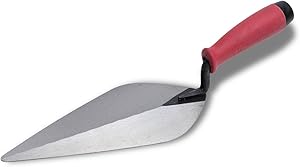
- Blade Size: 12 x 5 inch
- Handle Type: Soft grip
- Grade: Contractor-grade
- Trowel Style: London
The QLT by MARSHALLTOWN London Style Brick Trowel is engineered to meet the demanding needs of professional masons. With its classic 12 x 5 inch London style blade, this trowel provides an excellent surface area for efficiently picking up and spreading mortar. The “contractor-grade” designation ensures that the trowel is built with robust materials and construction, capable of withstanding the rigors of daily use on a busy construction site. This focus on durability means masons can rely on this tool for consistent performance over a long period.
One of the standout features of the QLT London Style Brick Trowel is its soft grip handle. This ergonomic design is a significant advantage, as it enhances user comfort and significantly reduces hand fatigue during prolonged work sessions. The soft material provides a secure hold, even in damp conditions, and acts as a buffer against vibrations, translating to a more pleasant and controlled working experience. Whether you’re a seasoned professional or a dedicated DIYer tackling a substantial masonry project, this trowel is built for repeated use. Its combination of robust construction and user-friendly design makes it a solid investment for quality masonry work.
- Pros:
- Contractor-grade for enhanced durability
- Soft grip handle reduces fatigue and increases comfort
- Efficient 12×5 inch London style blade
- Cons:
- Blade material not explicitly detailed (assumed steel)
- Soft grip might show wear over extended periods
5. Goldblatt RED 6″ Pointing Trowel

- Blade Size: 6″ x 2-3/4″
- Blade Material: High carbon steel
- Construction: One-piece forged, heavy-duty
- Handle: Soft ergonomic rubber grip
The Goldblatt RED 6″ Pointing Trowel is a premium tool designed for precision and durability in detailed masonry work. Crafted from a single piece of high-carbon steel, this trowel exemplifies superior strength and wear resistance, far surpassing multi-part constructed tools. The one-piece forging ensures exceptional balance and an even weight distribution, which translates into enhanced control and reduced fatigue during intricate tasks. Goldblatt RED emphasizes an upgraded, professionally polished blade that offers 60% more flexibility and an effortlessly smooth experience for spreading mortar and working in tight spaces, such as joints, corners, and edges. This meticulous design makes it an ideal choice for pointing, patching, and various small-scale masonry repairs.
Beyond its robust construction, the Goldblatt RED Pointing Trowel prioritizes user comfort and performance. The handle is wrapped in a soft, ergonomic rubber grip. This non-slip grip ensures excellent control, vital for detailed applications where accuracy is paramount. The sturdy connection between the blade and handle is designed to resist twisting and pulling. Part of Goldblatt’s high-quality, professional-grade RED line, this pointing trowel represents the pinnacle of concrete and masonry tool innovation, built for the most discerning contractors and builders who demand enduring quality and a superior user experience.
- Pros:
- Heavy-duty one-piece forged construction
- Superior high-carbon steel blade durability
- Exceptional balance and precise control
- Cons:
- Small blade size limits large-scale work
- Specific design for pointing/detailing only
6. M-D Building Products Pointing Trowel

- Blade Material: Stainless steel
- Blade Size: 2-7/8 in. x 5-1/2 in.
- Handle Type: Ergonomic rubber handle
- Overall Dimensions: 11.125 in. x 3.5 in. (total length x width)
The M-D Building Products 49124 Pointing Trowel is a compact and efficient tool designed specifically for small-scale masonry tasks, repairs, and applications in tight spaces. Its 2-7/8 inch by 5-1/2 inch stainless steel blade is a standout feature. Stainless steel also contributes to a smoother finish when spreading mortar or other compounds, as it tends to be less porous than carbon steel and more resistant to material sticking. This makes it an ideal choice for precision work such as tuck-pointing, filling cracks, or applying small amounts of adhesive with accuracy.
The trowel is equipped with an ergonomic rubber handle, which is crucial for comfort and control during detailed work. This handle design helps to absorb shock and reduce hand fatigue. The overall lightweight nature of the trowel further enhances maneuverability. Its bright silver, black, and yellow color scheme also makes it easy to spot in a toolkit. For anyone needing a durable, rust-resistant, and comfortable tool for delicate or confined masonry applications, the M-D Building Products Pointing Trowel offers a reliable and practical solution, ensuring precision and ease of use for various repair and finishing jobs.
- Pros:
- Corrosion-resistant stainless steel blade
- Ergonomic rubber handle for comfort
- Ideal size for small repairs and tight spaces
- Cons:
- Not suitable for large-volume mortar spreading
- Less rigid than some high-carbon steel options
7. Marshalltown Masonry Margin Trowel

- Blade Size: 5 inches by 2 inches
- Blade Material: Carbon steel
- Handle Material: Durable wood
- Application: Masonry, flooring, tiling projects
The Marshalltown Masonry Margin Trowel, model 97, embodies a classic design preferred by masons for its reliability and traditional feel. Featuring a 5-inch by 2-inch carbon steel blade, this trowel is engineered to withstand the rigors of any masonry project, from small repairs to more extensive new constructions. Carbon steel is known for its incredible strength and durability. This makes it a dependable tool for spreading, scraping, and working in narrow areas or when precision finishing is required on various flooring, tiling, or masonry tasks.
What truly sets this Marshalltown trowel apart is its durable wooden handle. The wood handle provides a classic look and feel that many traditional masons appreciate, offering a natural grip that can improve with age and use. Unlike plastic, wood can absorb some vibrations, contributing to a more comfortable user experience. This design fosters excellent control. Marshalltown’s long-standing reputation for quality in the masonry industry further assures that this margin trowel is a professional-grade tool built to last. It is an ideal choice for those who value traditional craftsmanship combined with robust materials for dependable performance on a diverse range of detail-oriented jobs.
- Pros:
- Classic, comfortable wooden handle
- Durable carbon steel blade
- Versatile for small masonry, tiling, and flooring tasks
- Cons:
- Wooden handle requires more maintenance
- Carbon steel can rust if not cleaned properly
How to Choose Masonry Trowels
In the world of construction and home improvement, few tools are as iconic and essential as the masonry trowel. Far from being a simple scoop, a well-chosen trowel is an extension of a mason’s hand, directly influencing the speed, precision, and quality of their work. Whether you’re a seasoned professional tackling large-scale projects or a diligent DIYer embarking on a small repair, selecting the right masonry trowel can significantly impact your efficiency and the final aesthetic of your brick, block, or stone work. This comprehensive guide will walk you through the various types of masonry trowels, key features to consider, and essential maintenance tips to ensure you make an informed decision that elevates your craftsmanship.
Understanding Different Trowel Types
The first step in choosing the best masonry trowel is understanding the distinct types available, each designed for specific tasks and materials.
Brick Trowels
Brick trowels are arguably the most common type, recognized by their pointed, triangular, or oblong blades. They are primarily used for picking up, spreading, and leveling mortar onto bricks, blocks, or stones. The two main variations are the London pattern and the Philadelphia pattern. The London pattern features a heel near the handle, making it lightweight and well-balanced, excellent for precise placement and smaller amounts of mortar. The Philadelphia pattern has a more rounded heel and a larger blade, allowing it to carry more mortar, making it ideal for faster work on larger surfaces. Blade sizes for brick trowels typically range from 10 to 13 inches.
Pointing Trowels
Pointing trowels are smaller than brick trowels, characterized by their narrow, usually pointed blades. Ranging from 4 to 6 inches, these trowels are designed for precision work, such as filling and finishing mortar joints between bricks, tuckpointing, or performing small repairs where a larger trowel would be impractical. Their smaller size allows masons to reach tight spaces and achieve clean, detailed finishes.
Margin Trowels
Margin trowels feature a flat, rectangular blade, typically ranging from 5 to 6 inches in length and 2 inches in width. These versatile tools are excellent for scraping, spreading small amounts of mortar or adhesive, mixing small batches of material, and cleaning out excess mortar from tight areas. They are frequently used in conjunction with other trowels for finishing work on concrete, cement, or tile installations.
Finishing Trowels
While primarily associated with concrete work, it’s worth a brief mention that some masons also use various types of finishing trowels (e.g., bull float, darby, or hand floats) for smoothing and leveling large surfaces of concrete or mortar. However, for the direct application and shaping of mortar in bricklaying, the aforementioned types are more relevant.
Key Factors to Consider When Buying a Masonry Trowel
Once you understand the different types, several critical factors will guide you toward the best trowel for your needs.
Blade Material and Construction
The material and how the blade is constructed are paramount for a trowel’s durability and performance.
- Carbon Steel: This is the most common material for masonry trowels due to its excellent strength, hardness, and wear resistance. Carbon steel blades can hold a sharper edge and offer good flexibility, but they are susceptible to rust if not properly cleaned and maintained.
- Stainless Steel: Stainless steel trowels offer superior corrosion resistance, making them easier to clean and ideal for working in damp conditions or with materials that might react with carbon steel. While generally more expensive, they often retain a good appearance over time.
- Forged vs. Welded: A forged trowel, crafted from a single piece of steel, offers superior strength, balance, and durability as there are no weak points from welding. Welded trowels, where the blade and tang are joined, are typically more affordable but can be prone to breaking at the weld under heavy stress.
Blade Size and Shape
The dimensions and form of the blade directly influence how much mortar can be carried and the precision of application.
- Size: Larger blades (e.g., 12-13 inch brick trowels) are ideal for quickly spreading mortar on long courses of block or brick. Smaller blades (e.g., 4-6 inch pointing or margin trowels) are essential for intricate work, repairs, and reaching confined spaces.
- Shape: As discussed, London patterns offer good balance, while Philadelphia patterns carry more mortar. Pointed blades are for joints, and rectangular blades are for scraping and spreading in tight areas. Match the blade shape to your primary task.
Handle Type and Ergonomics
The handle material and design significantly affect comfort, control, and user fatigue.
- Wood Handles: Traditional and often preferred by seasoned masons, wood handles offer a classic feel and can absorb some shock. They mold to the hand over time but require more maintenance (e.g., oiling) and can crack if exposed to extreme conditions.
- Plastic/Rubber Handles: These are increasingly popular due to their ergonomic design, excellent grip (even when wet), and reduced maintenance. They often provide superior comfort and can significantly reduce hand fatigue during long hours of work.
- Balance: A well-balanced trowel feels natural in the hand, reducing strain and improving precision. The weight distribution between the blade and the handle is crucial.
Tang and Shank Design
The tang is the part of the blade that extends into the handle, while the shank connects the blade to the tang. A robust, solid tang and shank design prevents the blade from twisting or breaking away from the handle, ensuring longevity and safety. Look for trowels where the tang extends deep into the handle, ideally riveted or securely fastened.
Weight and Balance
A trowel’s overall weight and balance are often a matter of personal preference but are critical for comfort and control. A well-balanced trowel will feel like an extension of your arm, reducing wrist and arm fatigue, especially during repetitive motions. Test different weights and balance points if possible to find what feels most comfortable for you.
Brand Reputation and Quality
Reputable brands in masonry tools, such as Marshalltown, Bon Tool, and Goldblatt, have a long history of producing high-quality, durable trowels. Investing in a known brand often means better materials, superior craftsmanship, and reliable customer support.
Tips for Trowel Maintenance and Care
Proper maintenance will extend the life of your masonry trowel and ensure it performs optimally for years to come.
- Clean After Every Use: Scrape off excess mortar immediately and wash the blade with water. Dried mortar is much harder to remove and can damage the blade’s surface.
- Dry Thoroughly: Always dry carbon steel blades thoroughly to prevent rust. Applying a light coat of oil can also offer additional protection. Stainless steel is more forgiving but still benefits from drying.
- Store Properly: Store trowels in a dry place, preferably hanging or in a tool roll, to protect the blade and handle from damage.
- Inspect Regularly: Check for any signs of wear, loose handles, or blade damage. Address issues promptly to prevent further damage or injury.
Matching the Trowel to Your Project
Ultimately, the best masonry trowel for you will depend on the specific projects you undertake.
- Large New Construction: A 12-13 inch London or Philadelphia pattern brick trowel with a durable plastic or ergonomic rubber handle might be most efficient.
- Small Repairs and Detail Work: A smaller pointing trowel (4-6 inches) and a margin trowel are indispensable for precision.
- Mixed Projects: If you perform a variety of tasks, consider investing in a few different types to cover your bases.
- DIY vs. Professional: DIYers might prioritize affordability and ease of maintenance, while professionals often justify a higher investment for superior durability and ergonomic features that reduce fatigue over long working hours.
Choosing the best masonry trowel is a personal decision that blends practical considerations with individual preference. By understanding the different types, focusing on material quality, ergonomic design, and matching the tool to your specific tasks, you can select a trowel that not only feels right in your hand but also contributes to the enduring quality and beauty of your masonry work. Invest wisely, care for your tools, and you’ll be well-equipped for any masonry challenge.