Best Pruning Shears For Roses of 2026
This guide will walk you through the top contenders in pruning shears specifically tailored for roses, evaluating their design, blade quality, ergonomics, and durability, helping you choose the perfect partner for maintaining your magnificent rose bushes with ease and confidence.
1. Fiskars Micro-Tip Rose Pruning Shears
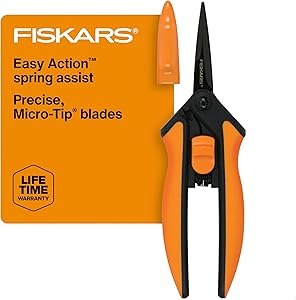
- Blade Material: Non-Stick Coated Stainless Steel
- Blade Type: Micro-Tip Precision
- Size: 6 inches
- Handle: SoftGrip Ergonomic
The Fiskars Micro-Tip Rose Pruning Shears are an indispensable tool for any rose enthusiast seeking precision and comfort in their gardening tasks. Designed with meticulous attention to detail, these 6-inch shears feature ultra-sharp, micro-tip stainless steel blades that are coated with a non-stick finish. This combination ensures incredibly fast and clean cuts, vital for the health of delicate rose stems and encouraging new growth.
Fiskars has also prioritized user comfort with these shears. The SoftGrip handle is ergonomically designed to fit comfortably in your hand, reducing fatigue during prolonged pruning sessions. This makes them particularly suitable for detailed work where fine control is needed, ensuring every cut is deliberate and precise.
- Pros:
- Exceptional micro-tip precision for delicate cuts
- Non-stick coated blades prevent sap buildup
- Durable stainless steel maintains sharpness
- Cons:
- May be too small for thicker, woody stems
- Better suited for precision than heavy-duty pruning
2. VIVOSUN 6.5 Inch Gardening Scissors Hand Pruner

- Blade Material: Stainless Steel
- Blade Type: Straight, Micro-Tip
- Size: 6.5 inches
- Locking Mechanism: Sideways Safety Lock
The VIVOSUN 6.5 Inch Gardening Scissors Hand Pruner stands out for its commitment to user comfort and precise cutting, making it an excellent choice for maintaining roses. These micro-tip snips are specifically engineered to reduce hand fatigue, a significant benefit for gardeners who spend extended periods trimming or those with hand sensitivity issues like arthritis or carpal tunnel.
Beyond comfort and sharpness, these VIVOSUN pruners incorporate a secure and user-friendly design. The sideways locking mechanism is intuitive, keeping the blades safely protected and closed when not in use, which is a crucial safety feature. Its ambidextrous design makes it equally comfortable and efficient for both right and left-handed users.
- Pros:
- Ergonomic design significantly reduces hand strain
- Ultra-sharp stainless steel blades for precise cuts
- Secure and easy-to-operate sideways safety lock
- Cons:
- Requires regular cleaning after use to prevent sap buildup
- Not suitable for very thick, woody rose canes
3. PrunePro Garden Scissors Pruning Shears

- Blade Material: High Carbon German Stainless Steel
- Blade Coating: Non-Stick Teflon
- Blade Type: Micro-Tip Snips
- Safety Feature: Anti-Break Lock Mechanism
The PrunePro Garden Scissors Pruning Shears are designed for gardeners who demand professional-grade precision and durability, making them highly effective for maintaining the health and beauty of roses. Crafted from high carbon 1.4031 German stainless steel and enhanced with a non-stick Teflon coating, these blades are built to remain exceptionally sharp, resist rust, and glide effortlessly through plant material.
A key feature for rose care is the micro-tip snips design, which allows for unparalleled precision. This enables gardeners to accurately trim only the intended areas, navigating tight spaces around delicate rose buds and leaves without harming vital stems. The ergonomic handles, coupled with a high-tension spring, significantly reduce the effort required for each cut, making extended pruning sessions less fatiguing and more enjoyable.
- Pros:
- Premium German high carbon stainless steel blades
- Non-stick Teflon coating ensures clean cuts and prevents sap buildup
- Micro-tip design offers exceptional precision for delicate work
- Cons:
- Might be less suitable for very thick, woody rose canes
- The high-tension spring might feel stiff initially
4. Fiskars Multi-Purpose Garden Snips, 8″
Style Multipurpose Shears
Product Dimensions 11.25″L x 4.44″W
Blade Material Stainless Steel
Handle Material Stainless Steel
- Style: Multipurpose Shears
- Dimensions: 11.25″L x 4.44″W
- Blade Material: Stainless Steel
- Handle Material: Stainless Steel
The durability of these Fiskars shears is a major advantage. The steel blades are engineered to stay sharp through heavy use, ensuring long-lasting performance and reliable value. A non-stick coating on the blades helps to prevent sap and debris from gumming them up, making cleaning easier and maintaining efficient cutting action.
The ergonomic SoftGrip handle, combined with an “Easy Action” spring mechanism, works to reduce hand fatigue, even during prolonged use. While they excel in their multi-tasking capabilities, their precision for rose pruning makes them a valuable addition, especially for gardeners who appreciate a tool that can do more than one job well. The included sheath also provides safe storage and convenient access.
- Pros:
- Highly versatile with straight, serrated, and wire cutter edges
- Non-stick coating reduces blade jamming and eases cleaning
- Durable steel blades maintain sharpness over time
- Cons:
- Multipurpose design might slightly compromise ultimate rose-specific precision
- 8-inch size might be less nimble for very intricate, small rose details
5. Kimura® 8″ Pro Pruning Scissors

- Handle Material: Alloy Steel
- Blade Edge: Straight
- Blade Type: Straight
- Hand Orientation: Ambidextrous
Designed with the user in mind, the Kimura® Pro Pruning Scissors feature lightweight aluminum handles coated in non-slip vinyl. This ergonomic design provides enhanced comfort and control, making them ideal for individuals who may experience hand fatigue, arthritis, or carpal tunnel. The robust aluminum construction, coupled with anti-rust components and riveted handles, guarantees a durable product built to withstand the rigors of heavy gardening use.
A quick and easy-to-operate locking strap ensures safe storage and deployment, further adding to their reliability. Versatile enough for deadheading, trimming, and shaping roses, these shears are a testament to quality craftsmanship, suitable for both right and left-handed users, and backed by a lifetime warranty, offering peace of mind to any rose enthusiast.
- Pros:
- Razor-sharp Japanese SK5 Hi-Carbon Steel blades for precision
- PTFE coating ensures smooth cuts, prevents sap, and resists rust
- Lightweight, ergonomic, non-slip handles reduce hand fatigue
- Cons:
- Premium quality may come with a higher price point
- 8-inch size might be less ideal for extremely fine, delicate work
6. GARDENA Adjustable Bypass Garden Pruning Shears

- Cutting Type: Bypass
- Max Cutting Diameter: 0.8 inches (20mm)
- Handle Feature: Adjustable to two widths
- Origin: Made in Germany, 25-Year Warranty
The GARDENA Adjustable Bypass Garden Pruning Shears (08857) exemplify German engineering with their focus on accurate, clean cuts and superior user comfort, making them an excellent choice for maintaining roses. Featuring two precision blades that bypass each other, these secateurs create optimum, scissor-like cuts that are ideal for flowers, young shoots, and fresh rose branches up to 0.8 inches (20mm) in diameter.
Beyond their cutting prowess, these GARDENA pruners shine in their ergonomic design and practical adjustability. The handles incorporate soft components in the upper grip, providing anti-slip properties and being gentle on the wrists, even during extended pruning tasks. A standout feature is the ability to adjust the handle width to two different settings, accommodating gardeners with smaller hands or for tackling smaller diameter branches.
- Pros:
- Precision bypass blades ensure clean, healthy rose cuts
- Ergonomic handles with soft components reduce wrist strain
- Adjustable handle width caters to different hand sizes
- Cons:
- 0.8-inch cutting capacity may be insufficient for very old, woody rose canes
- May be heavier than some micro-tip snips due to robust construction
7. Fiskars Floral Pruning Shears

- Cut Capacity: 1/2 inch
- Blade Type: Small Bypass
- Blade Coating: Low-friction
- Handle: Softgrip with Easy Action Spring
The Fiskars Floral Pruning Shears, with their distinctive rose petal pink hue, are a charming yet highly functional tool specifically designed for delicate tasks like deadheading roses and creating floral arrangements. The small bypass blade design offers a 1/2 inch cut capacity, making them perfectly suited for light pruning, precise snips on spent blooms, and maintaining the pristine appearance of your rose bushes.
Comfort and convenience are central to the design of these Fiskars shears. The “Easy Action” spring gently opens the blades after each cut, significantly reducing hand strain and making extended use more comfortable, especially for those with smaller hands or limited grip strength. Softgrip touchpoints further enhance comfort and control, providing a secure and pleasant user experience.
- Pros:
- Small bypass blades perfect for delicate deadheading and light pruning
- Low-friction coating prevents sap buildup and eases cutting
- Easy Action spring and Softgrip handles reduce hand fatigue
- Cons:
- Limited to 1/2 inch cut capacity, not for woody stems
- Primarily for light work, not heavy-duty pruning
How to Choose Pruning Shears For Roses
Roses, with their breathtaking beauty and intoxicating fragrance, are a cherished addition to any garden. However, to truly thrive, these regal plants require consistent care, and at the heart of that care is proper pruning. Pruning is not just about shaping your rose bushes; it’s a vital practice that promotes healthy growth, encourages abundant blooms, and helps prevent diseases. But effective pruning hinges on having the right tools. Using inadequate or dull shears can damage your roses, leaving ragged cuts that invite pests and diseases. This comprehensive guide will walk you through everything you need to know to select the best pruning shears for your roses, ensuring your garden remains a vibrant spectacle year after year.
Understanding Rose Pruning Needs
Before diving into specific shear features, it’s important to understand why roses have unique pruning requirements. Unlike some other plants, roses often have delicate stems, thorns, and varying branch thicknesses, from tender new shoots to woody older canes. Clean cuts are paramount for roses because jagged edges can tear the plant tissue, creating entry points for fungi, bacteria, and insects. Proper pruning helps direct the plant’s energy towards producing more flowers and maintaining an open structure for better air circulation, which is crucial for disease prevention. Therefore, the right shears must be capable of delivering consistently sharp, precise cuts without crushing the delicate plant fibers.
Types of Rose Pruning
Rose pruning encompasses several different tasks, each with slightly different demands on your tools:
- Deadheading: Removing spent blooms to encourage new flowers and maintain plant vigor. This requires fine, precise cuts on smaller stems.
- Shaping and Formative Pruning: Guiding the plant’s growth, improving its shape, and maintaining desired size. This involves cutting various stem thicknesses.
- Corrective Pruning: Removing damaged, diseased, or crossing branches to improve plant health and air circulation. This may involve tougher, older wood.
- Rejuvenation Pruning: Drastically cutting back old, overgrown bushes to stimulate new growth. This often involves very thick, woody canes.
Key Features to Look For in Rose Pruning Shears
Choosing the best shears involves evaluating several critical features that directly impact performance, comfort, and the health of your roses.
Blade Type: Bypass vs. Anvil
For roses, the choice of blade type is perhaps the most crucial decision:
- Bypass Pruners: These work like scissors, with two blades that “bypass” each other. This action creates a clean, precise cut that is ideal for live, green wood and delicate stems. The clean cut minimizes damage to rose tissue, promoting faster healing and reducing the risk of disease. For roses, bypass pruners are almost always the recommended choice.
- Anvil Pruners: These shears have one sharp blade that closes onto a flat “anvil.” They are better suited for cutting dead, woody branches as they can crush live plant material, which is detrimental to roses. Avoid anvil pruners for general rose pruning.
Blade Material and Sharpness
The quality of the blade material directly influences sharpness, edge retention, and resistance to corrosion:
- High-Carbon Steel: This is a popular choice for pruning shears due to its ability to hold a very sharp edge. Look for high-carbon steel blades, especially those with a Rockwell hardness rating (HRC) of 55-60 for optimal performance.
- Stainless Steel: While not always as hard as high-carbon steel, stainless steel offers superior rust resistance, which is beneficial for tools exposed to moisture and sap. Some premium stainless steel alloys can achieve excellent sharpness.
- Non-Stick Coatings: Many quality shears feature coatings like Teflon or PTFE. These coatings reduce friction, make cutting easier, and prevent sap and resin from sticking to the blades, which is a common issue with roses. This also makes cleaning much simpler.
Regardless of the material, ensure the blades are precision-ground and capable of being sharpened. A sharp blade makes all the difference in achieving clean cuts.
Ergonomics and Comfort
Pruning can be a physically demanding task, especially if you have many roses. Ergonomics play a vital role in reducing hand fatigue and preventing strain:
- Handle Design: Look for handles that fit comfortably in your hand, offering a natural grip. Some shears are designed specifically for smaller or larger hands.
- Material: Handles made from lightweight yet durable materials like aluminum or composite plastics with soft-grip inserts can greatly enhance comfort.
- Spring Mechanism: An “easy action” or “shock absorbing” spring mechanism helps open the blades after each cut, reducing the effort needed and minimizing strain on your hand and wrist.
- Hand Orientation: Some shears are ambidextrous, while others are designed for right or left-handed users. Choose what feels most natural.
Cutting Capacity
Consider the maximum diameter of the branches you’ll typically be cutting. Most hand pruners have a cutting capacity ranging from 1/2 inch to 1 inch. For general rose pruning, a capacity of 3/4 inch is usually sufficient for most stems. For thicker, older canes, you might need loppers (discussed below).
Safety and Durability
A good pair of pruning shears should offer both safety and longevity:
- Locking Mechanism: A secure and easy-to-operate locking mechanism is essential for safe storage and transport, preventing accidental cuts. Look for locks that can be engaged and disengaged with one hand.
- Build Quality: Solid construction, often with forged components, indicates greater durability. Avoid flimsy plastic parts that are prone to breaking.
- Warranty: A good warranty is often a sign of a manufacturer’s confidence in their product’s durability.
Different Types of Pruning Shears for Roses
While hand pruners are the workhorse for most rose pruning, other tools may be necessary for specific tasks.
Hand Pruners (Secateurs)
These are the most common and essential tool for any rose gardener. As discussed, bypass hand pruners are the preferred type. They are perfect for deadheading, removing smaller branches, and making precise cuts on new growth. Look for models with micro-tips for very delicate work.
Loppers
For thicker, older, and more woody rose canes (typically over 3/4 inch to 1 inch in diameter) that hand pruners can’t handle, loppers are indispensable. Loppers have long handles that provide leverage, making it easier to cut through thicker material. Like hand pruners, bypass loppers are recommended for roses to ensure clean cuts.
Pruning Saws
On rare occasions, for extremely thick, old rose canes (over 1.5 to 2 inches) that even loppers struggle with, a pruning saw might be necessary. Choose a small, sharp pruning saw designed for clean cuts, and ensure you use proper technique to avoid tearing the bark.
Maintenance and Care for Your Rose Pruners
Even the best pruning shears will perform poorly if not properly maintained. Regular care ensures longevity and effectiveness, and prevents the spread of disease.
Cleaning
After each use, especially when pruning diseased material, clean your shears:
- Remove Sap and Debris: Use a stiff brush, cloth, or steel wool to wipe off any sap, resin, or plant debris. A solvent like rubbing alcohol, WD-40, or a specialized blade cleaner can help remove stubborn residue.
- Sanitize: To prevent the spread of diseases, particularly between different rose bushes or if you’ve pruned diseased sections, sterilize your blades. Wipe them with a cloth soaked in rubbing alcohol (70% or higher), a 10% bleach solution (rinse thoroughly afterwards to prevent corrosion), or a specialized disinfectant.
Sharpening
Dull blades crush rather than cut, harming your roses. Sharpen your bypass pruners regularly, typically after every few hours of use or whenever you notice them struggling to make clean cuts. Use a sharpening stone or diamond file specifically designed for garden tools. Always sharpen only the beveled edge of the blade, maintaining the original angle.
Storage
Store your clean and sharpened pruners in a dry place to prevent rust. Applying a thin coat of oil (like mineral oil or camellia oil) to the blades before storage can provide extra protection, especially if storing for extended periods.
Tips for Effective Rose Pruning
Having the right tools is only half the battle; knowing how to use them effectively is equally important.
When to Prune
The best time for major rose pruning is typically in late winter or early spring, just as the buds begin to swell. Deadheading can be done throughout the growing season.
How to Make Clean Cuts
- Always cut at a 45-degree angle, about 1/4 inch above an outward-facing bud. This directs new growth outwards and away from the center of the plant.
- Ensure your cut is clean and smooth. If it’s ragged, your blades are dull and need sharpening.
- Cut back to healthy wood, identified by a light green or white pith in the center of the stem. If the pith is brown, cut back further until you reach healthy tissue.
Safety Precautions
Roses have thorns! Always wear sturdy gardening gloves. Eye protection is also recommended, especially when pruning overhead branches, to shield against snapping branches or debris.
Conclusion
Choosing the best pruning shears for your roses is an investment in the health and beauty of your garden. By prioritizing bypass blades, high-quality materials, ergonomic design, and committed maintenance, you equip yourself with the tools necessary to perform precise, clean cuts that your roses will thank you for with abundant, stunning blooms. Remember, a sharp, comfortable, and well-maintained pair of shears transforms pruning from a chore into a satisfying act of cultivation, ensuring your rose garden remains a source of joy and admiration for years to come.