Best Long Handled Weeding Tools of 2026
Weeding is an inescapable chore for any gardener, but it doesn’t have to be a back-breaking ordeal. Long-handled weeding tools are revolutionary, transforming a dreaded task into a manageable one by allowing you to tackle unwanted intruders without bending, kneeling, or straining your back. From stubborn dandelions to pervasive crabgrass, the right tool can make all the difference, preserving your posture and your peace of mind.
1. DonSail Adjustable Stirrup Hoe

- Tool Type: Stirrup/Hula Hoe
- Handle Length: Adjustable from 30 to 61 inches
- Material: Heavy-Duty construction (metal loop)
- Design: Weeding loop stirrup for scuffling
The DonSail Adjustable Stirrup Hoe is a versatile tool designed to make light work of weeding tasks, particularly for shallow-rooted intruders. Its core strength lies in its adjustable handle, which extends from a compact 30 inches to an impressive 61 inches. This feature is a game-changer for gardeners of all heights, effectively eliminating the need to bend or kneel, thereby protecting your back and knees from strain. The heavy-duty design ensures durability.
This adjustable weeding loop is particularly effective for maintaining vegetable gardens, flower beds, and pathways where surface weeds are common. Its broad sweep allows for quick coverage of larger areas, making weeding a much faster process compared to manual pulling. While it excels at severing shallow roots, its design also helps to prevent future weed growth by disrupting the top layer of soil.
- Pros:
- Highly adjustable handle
- Reduces back and knee strain
- Efficient for shallow weeding
- Cons:
- Less effective for deep taproots
- May struggle on very hard clay
2. Fiskars 4-Claw Stand Up Weed Puller Tool
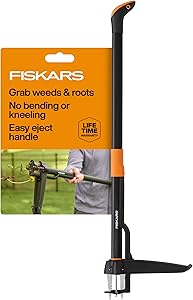
- Handle Length: 39 inches
- Mechanism: 4-Claw stand-up weed puller with easy-eject
- Blade Material: Serrated stainless steel claws
- Warranty: Lifetime
The Fiskars 4-Claw Stand Up Weed Puller Tool is a highly acclaimed solution for removing tap-rooted weeds without the backache or chemical sprays. Designed with a 39-inch long ergonomic handle, this tool allows gardeners to stand upright while tackling stubborn dandelions, thistles, and other invasive plants, thus preventing the common knee and back strain associated with traditional weeding. Its unique four serrated, stainless steel claws firmly grip weeds and their roots from multiple directions.
A standout feature is the easy-eject mechanism, which allows you to release the pulled weed directly into a wheelbarrow or waste bin with a simple push, keeping your hands clean and making the process incredibly efficient. The integrated viewing window further enhances usability by letting you see precisely where the claws are engaging the weed. Crafted with durable steel blades that remain sharp through heavy use, and backed by a reassuring Lifetime Warranty, this Fiskars tool is built for longevity and reliable performance.
- Pros:
- Ergonomic stand-up design
- Effective for deep-rooted weeds
- Easy-eject mechanism
- Cons:
- May struggle on very hard, compacted soil
- Not ideal for broad areas of shallow weeds
3. BellaJoyz Stand Up Weed Puller
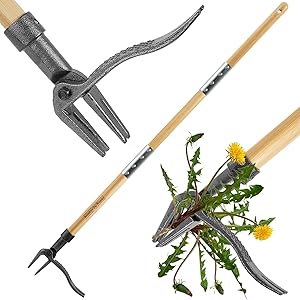
- Handle Length: 45 inches
- Head Type: 4-Claw steel head
- Pole Design: 3-Sectional for easy storage
- Material: Durable, high-strength stainless steel
The BellaJoyz Stand Up Weed Puller offers a practical and comfortable solution for tackling stubborn garden invaders, emphasizing ergonomic design to protect your back and knees. With a generous 45-inch handle, this tool allows you to remain upright while weeding, effectively mitigating the strain typically associated with gardening chores. Its robust construction, featuring a durable, high-strength stainless steel shaft and rust-resistant, moisture-proof steel claws, ensures longevity and consistent performance across various soil conditions.
The operational simplicity of this stand-up weeder is another key advantage: simply position the four-claw head over a weed, press down on the foot pedal to drive the claws into the ground, and then pull to extract the weed and its roots. An ingenious design allows the weed to automatically drop off when you step on the pedal again, keeping your hands clean and speeding up the process.
- Pros:
- Protects back and knees
- Durable stainless steel construction
- Easy-eject mechanism
- Cons:
- May struggle in extremely hard or rocky soil
- Requires some foot pressure for effectiveness
4. Pragmatist L Shaped Garden Hoe Tool

- Handle Length: 70.9 inches (spliced)
- Blade Design: L-shaped, narrow, double-edged
- Functionality: Multi-functional (weeding, digging, trenching, loosening soil)
- Assembly: Tool-free quick assembly
The Pragmatist L Shaped Garden Hoe Tool stands out as an exceptionally versatile and ergonomic implement for comprehensive garden maintenance. With an impressive 70.9-inch spliced long handle, this tool significantly reduces the need for bending or kneeling, making it a perfect choice for gardeners who suffer from back or knee discomfort. Its L-shaped, ultra-sharp blade is designed for efficiency, effortlessly slicing through weed roots and loosening compacted soil with remarkable precision.
The narrow blade and angled design are particularly advantageous for working in tight spaces, around delicate plants, or within dense rows where broader tools might cause damage. The double-edged construction further enhances its utility, enabling effective two-way swinging for increased efficiency in your weeding and cultivating routine. Beyond its functional prowess, the Pragmatist hoe features tool-free quick assembly, allowing you to set it up and get to work within minutes, saving valuable time and hassle.
- Pros:
- Extra-long handle for reduced strain
- Multi-functional for various tasks
- Ultra-sharp blade for efficient weeding
- Cons:
- Very long handle might be unwieldy for smaller users
- Blade could chip on very rocky ground
5. INFLATION Stirrup Hoe & Rake Combo

- Tool Type: 2-in-1 Stirrup Hoe & 4-Tine Rake
- Handle Length: Adjustable from 32 to 62 inches
- Design: Push-pull stirrup hoe, integrated 4-tine rake
- Material: High-quality metal (stem and head)
The INFLATION Stirrup Hoe & Rake Combo offers an innovative 2-in-1 design that streamlines various gardening tasks, providing both a stirrup hoe for efficient weeding and a 4-tine rake for planting, loosening soil, and transplanting. This dual functionality means you’re getting two essential tools in one, saving space in your shed and making transitions between tasks seamless. The stirrup hoe features a sharp blade and a push-pull design, allowing you to smoothly cut weeds just below the surface while simultaneously allowing withered grass and soil to pass through, significantly enhancing work efficiency and reducing physical strain during cultivation.
A key ergonomic advantage is its adjustable handle, which extends from 32 to 62 inches. This customizable length ensures that gardeners of any stature can find a comfortable working position, effectively preventing back and waist pain often associated with extended weeding sessions. Unlike many other gardening tools that use mixed materials, the INFLATION tool boasts an all-metal construction for both its stem and head, ensuring superior durability and a lightweight feel despite its robustness.
- Pros:
- 2-in-1 stirrup hoe and rake
- Adjustable handle for ergonomic comfort
- Efficient push-pull weeding action
- Cons:
- Rake section may be small for large raking jobs
- May require frequent cleaning of blade/tines
6. Ames Forged Dandelion Weeder
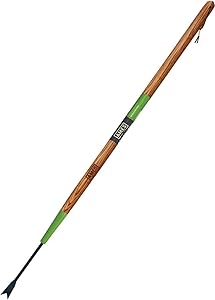
- Blade Material: Tempered steel (V-notched)
- Handle Material: Hardwood
- Handle Length: 36 inches
- Storage: Leather lanyard
The Ames Forged Dandelion Weeder is a classic, no-nonsense tool designed for precise removal of tap-rooted weeds like dandelions from lawns and landscape beds. Its robust construction features a strong and durable tempered steel blade, engineered to withstand repeated use and penetrate tough soil effectively. The V-notched design of the blade is particularly adept at severing weed roots below the surface, ensuring that the entire plant, including its stubborn taproot, is extracted. This targeted approach is crucial for preventing regrowth and keeping your garden free of resilient weeds that often plague manicured spaces.
Complementing its sturdy blade, the weeder is equipped with a 36-inch hardwood handle, providing a comfortable grip and sufficient length to minimize bending and kneeling during operation. While not as long as some stand-up weeders, its length is effective for targeted removal, reducing strain compared to short-handled alternatives. The natural hardwood offers a classic feel and good shock absorption. For convenience, a leather lanyard is integrated into the handle, allowing for easy hanging and storage in your shed or garage.
- Pros:
- Strong, durable tempered steel blade
- Effective V-notched design for roots
- Classic, comfortable hardwood handle
- Cons:
- Shorter handle than some stand-up weeders
- Requires bending for deeper roots
7. Grampa’s Weeder – Original Stand Up Tool

- Handle Material: Real Bamboo
- Head Design: 4-Claw steel head
- Handle Length: 45 inches
- Origin: Original design since 1913, American company
Grampa’s Weeder is lauded as the original stand-up weed puller, boasting a simple, effective design that has been trusted for over a century. Its 45-inch long handle, crafted from real bamboo, provides exceptional reach, allowing gardeners to remove weeds and their roots without the back-breaking effort of bending, pulling, or kneeling. This ingenious tool embodies a timeless approach to gardening, emphasizing ergonomic comfort and efficiency, making it an ideal choice for anyone looking to preserve their back and knees while maintaining a pristine garden.
This classic weeder truly shines on softer soil types, especially after a good watering or rainfall, where its claws can penetrate and secure the weed’s root system with ease. While its effectiveness on hard clay or rocky surfaces might be limited, it excels in its intended environment, making quick work of dandelions, thistles, and other prevalent weeds. Beyond its performance, Grampa’s Weeder offers an environmentally friendly solution to weed control, eliminating the need for harmful chemicals, making it safe for children, pets, and the environment.
- Pros:
- Time-tested, century-old design
- Eliminates bending and kneeling
- Effective for deep-rooted weeds in soft soil
- Cons:
- Less effective on hard clay or rocky soil
- Not suitable for very shallow, widespread weeds
How to Choose Long Handled Weeding Tools
Weeding is an inescapable and often tedious task for any gardener. While it’s essential for maintaining healthy plants and a pristine landscape, the physical toll of bending, kneeling, and straining can quickly turn a peaceful hobby into a painful chore. This is where long-handled weeding tools become indispensable. Designed to allow gardeners to tackle unwanted growth from an upright position, these tools transform the weeding experience, saving your back, knees, and energy. With a variety of types and features available, choosing the right long-handled weeder can seem daunting. This guide will walk you through everything you need to know to select the perfect tool that will keep your garden immaculate and your body comfortable.
Understanding Different Types of Long-Handled Weeders
The world of long-handled weeding tools is diverse, with each type designed for specific weeding challenges and soil conditions. Familiarizing yourself with the different categories is the first step in making an informed decision.
Stand-Up Weed Pullers
These are perhaps the most popular type of long-handled weeder, renowned for their ability to remove tap-rooted weeds like dandelions and thistles without bending. Stand-up weed pullers typically feature multiple claws (often three or four) that you center over the weed. A foot pedal or lever then helps you drive the claws into the ground, gripping the root. With a simple twist or pull of the handle, the entire weed, root and all, is extracted. Many models include an easy-eject mechanism, allowing you to release the weed into a bin without getting your hands dirty. They are highly effective for individual, deep-rooted weeds in lawns and garden beds.
Stirrup Hoes (Hula Hoes or Oscillating Hoes)
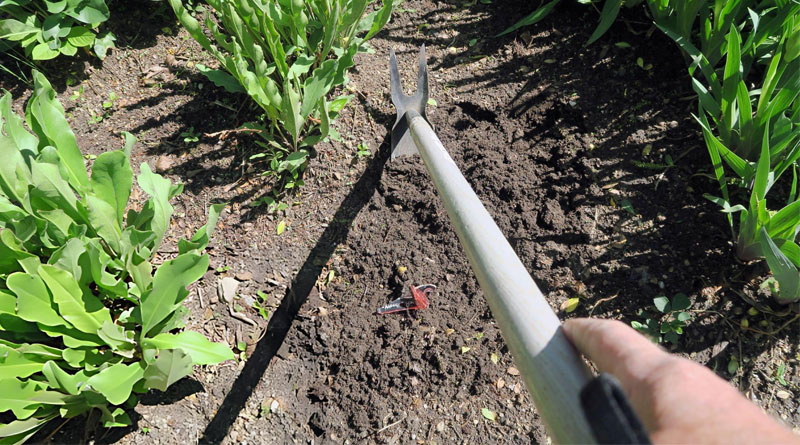
Stirrup hoes feature a unique hinged, open-ended blade that rocks back and forth with a push-and-pull motion, hence the name “oscillating.” This action allows the sharp blade to slice weeds just below the soil surface, effectively severing their roots. They are excellent for quickly clearing large areas of shallow-rooted weeds, disturbing the topsoil minimally, and can even be used for light cultivation and aerating the soil. The long handle makes it easy to cover ground efficiently without bending, making them ideal for vegetable gardens and flower beds.
Traditional Hoes (Draw Hoes, Warren Hoes, Dutch Hoes)
While often associated with cultivation, many traditional hoe designs come with long handles and are highly effective for weeding. Draw hoes, for example, have a flat, broad blade that you pull towards you to cut weeds and loosen soil. Warren hoes have a pointed, heart-shaped blade for digging furrows and weeding in tight spaces. Dutch hoes, on the other hand, feature a sharp, flat blade that you push forward to cut weeds at the root. These hoes are versatile for larger gardens, allowing for both weeding and light soil preparation from an upright stance.
Scuffle Hoes (Push-Pull Hoes)
Similar to stirrup hoes, scuffle hoes are designed to cut weeds below the soil surface with a push-and-pull motion. However, their blades are often fixed rather than oscillating, providing a slightly different feel and possibly requiring a bit more muscle. They are excellent for clearing wide areas of young weeds and for keeping paths and driveways weed-free. The constant back-and-forth action makes them efficient for maintaining a clean surface layer in your garden beds.
Weeding Forks and Dandelion Diggers
These tools, traditionally short-handled, are increasingly available with longer handles to provide ergonomic benefits. A long-handled weeding fork typically has two or three sturdy tines, perfect for prying out deeply rooted weeds in compacted soil or for loosening soil around plants. Long-handled dandelion diggers are usually narrower, with a V-shaped or forked tip specifically designed to plunge deep and lever out stubborn taproots without damaging surrounding plants. They offer precision for specific, isolated weeds.
Key Features to Consider When Buying
Once you understand the different types, it’s time to delve into the specific features that will impact a tool’s performance, comfort, and longevity.
Handle Length and Adjustability
The primary benefit of these tools is their long handles. Ensure the handle length is appropriate for your height. A handle that is too short will still force you to stoop, defeating the purpose. Many modern tools offer adjustable handles, which are a fantastic feature for multiple users or for adapting to different tasks or storage needs. An adjustable handle also allows for compact storage, which is a significant plus if shed space is limited.
Material and Durability
The materials used directly influence the tool’s durability and weight. Blades are typically made of steel—stainless steel offers rust resistance and durability, while carbon steel is often tougher but requires more maintenance to prevent rust. Handles can be made from wood (classic, good shock absorption), fiberglass (lightweight, strong), or aluminum (lightweight, rust-resistant). Heavy-duty construction is vital, especially for blades that will encounter tough roots and soil.
Ergonomics and Comfort
A tool’s ergonomic design is crucial for comfort during extended use. Look for comfortable grips, especially if you plan on long weeding sessions. The tool’s weight and balance are also important; a well-balanced tool feels lighter and is less tiring to use. Some tools feature offset handles or specific grip materials designed to reduce wrist strain and provide a secure hold, even with sweaty hands.
Head Design and Functionality
Consider the specific design of the working end. For stand-up weed pullers, evaluate the claw design and strength—are they sharp enough to penetrate hard soil? Is the ejection mechanism smooth and reliable? For hoes, assess the blade’s sharpness, shape, and attachment to the handle. A securely attached, sharp blade will perform far better than a flimsy one. Double-edged blades on hoes can also enhance efficiency.
Ease of Assembly and Storage
Some long-handled tools, especially those with adjustable or multi-sectional poles, may require assembly. Look for tool-free or quick-assembly designs to save time. For storage, consider if the tool can be hung up easily (e.g., with a leather lanyard) or if it disassembles into smaller pieces for compact storage. This is particularly important for those with limited storage space.
Matching the Tool to Your Weeds and Soil Type
The effectiveness of a long-handled weeder often depends on how well it’s matched to the type of weeds you’re combating and the nature of your soil.
Taproot Weeds (Dandelions, Thistles, Burdock)
For these tenacious invaders with deep, single roots, stand-up weed pullers (like claw-style removers) or long-handled dandelion diggers are your best bet. Their design allows them to penetrate deep and extract the entire root, preventing regrowth. They are most effective in moderately moist soil where the claws can grip firmly.
Shallow-Rooted Weeds (Annuals, Young Grasses, Clover)
When dealing with broad areas of younger, shallow-rooted weeds, stirrup hoes or scuffle hoes are highly efficient. Their cutting action just below the surface allows for quick clearance of large areas without much effort. These are ideal for maintaining vegetable rows, flower beds, and paths where regular surface weeding is needed.
Dense Patches and Cultivation
For breaking up compacted soil, preparing seedbeds, or tackling dense patches of weeds, traditional hoes with long handles can be very effective. Tools like draw hoes or Warren hoes allow you to chop, pull, and loosen soil while removing weeds. The multi-functional nature of these tools makes them valuable for overall garden maintenance.
Soil Conditions
Your soil type plays a critical role. In loose, sandy soil, most tools will perform well. However, in hard clay or rocky soil, certain tools might struggle. Stand-up weed pullers may find it hard to penetrate compacted clay, while hoes might deflect off rocks. If your soil is consistently hard, consider tools with stronger, reinforced blades or those specifically designed for tough conditions. Pre-watering can also help make weeding easier in harder soils.
Maintenance Tips for Longevity
To ensure your long-handled weeding tools last for many seasons, proper care is essential.
- Clean After Each Use: Remove soil, sap, and plant debris from blades and tines. A wire brush can be helpful for stubborn dirt.
- Sharpen Blades Regularly: Sharp blades are more efficient and require less effort. Use a file or sharpening stone for hoes and other cutting tools.
- Oil Metal Parts: Apply a light coat of oil (like linseed oil or general-purpose machine oil) to metal blades and joints to prevent rust, especially for carbon steel tools.
- Inspect and Tighten: Periodically check screws, bolts, and handle connections. Tighten any loose parts to ensure safety and performance.
- Store Properly: Hang tools in a dry shed or garage to keep them off the ground and away from moisture. If disassembling for storage, ensure parts are clean and dry.
Conclusion
Choosing the best long-handled weeding tool is an investment in your garden’s health and your personal comfort. By understanding the different types of tools, their specific features, and how they perform in various situations, you can select an implement that perfectly matches your gardening needs. From stand-up weed pullers that protect your back to versatile hoes that manage broad areas, the right tool will transform weeding from a dreaded chore into a satisfying and strain-free activity, allowing you to enjoy your beautiful garden even more.