Best Seed Trays of 2026
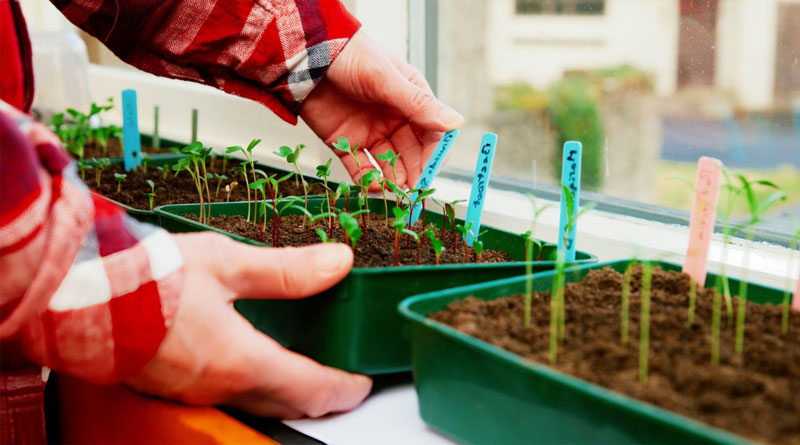
Looking for the easiest way to start your garden? Seed trays are a perfect choice for growing plants from tiny seeds. They help your seedlings grow strong and healthy before moving them outside. Our guide will show you the best seed trays you can buy. We’ll help you find trays that are sturdy, drain well, and give your plants the right space to thrive. Let’s find the perfect tray for your gardening success.
1. Burpee SuperSeed Tray

- Cell Count: 16 extra-large cells
- Material: Food-grade silicone (flexible)
- Watering System: Deep channels with raised perimeter
- Cleaning: Top-shelf dishwasher safe
The Burpee SuperSeed Seed Starting Tray presents an innovative and highly user-friendly solution for gardeners looking to simplify their indoor seed starting process, especially for plants requiring deeper roots. This system features 16 extra-large, flexible cells made from food-grade silicone, making it exceptionally easy to pop out seedlings without damaging their delicate root systems during transplanting.
The simplicity of transplanting is a key highlight, as the soft silicone cells gently flex, allowing seedlings to be removed with their root ball intact. This significantly reduces stress on the young plants, promoting a smoother transition to the garden and minimizing transplant shock. The large cell size is particularly beneficial for seeds that develop extensive root systems,.
- Pros:
- Easy, stress-free transplanting
- Excellent drainage and aeration system
- Reusable and top-shelf dishwasher safe
- Cons:
- Higher upfront cost
- 16 cells might be too few for high-volume starting
2. MIXC 5-Pack Seed Starter Kit

- Pack Quantity: 5 seed trays
- Cell Count: 40 cells per tray (200 total)
- Cell Size: 1.5″x 1.5″x 2″
- Humidity Control: Adjustable vents on domes
The MIXC Seedling Trays Seed Starter Tray offers an economical and effective solution for gardeners looking to start a significant number of small to medium-sized seeds indoors. This 5-pack kit provides a total of 200 cells across five individual trays, each featuring transparent plastic cell trays that allow for effortless observation of plant growth without disturbing the delicate seedlings. A key advantage of this kit is the inclusion of humidity vented domes, providing users with total control over the microclimate within each tray.
Beyond climate control, the MIXC trays are designed for practicality. The individual cell size of 1.5″x 1.5″x 2″ is well-suited for a wide variety of small seeds. The sturdy construction ensures durability for repeated use, and the bottom trays are cleverly designed to be stacked before germination, saving valuable operating space whether indoors or outdoors.
- Pros:
- High total cell count (200 cells)
- Adjustable humidity vented domes
- Transparent domes for easy monitoring
- Cons:
- Cells best suited for smaller seeds
- Plastic material may be less flexible for transplanting
3. Gardzen 5-Set Seed Starter Kit
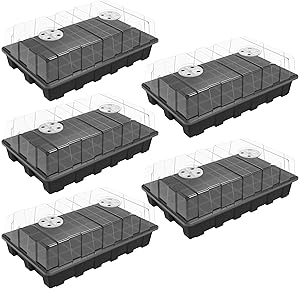
- Pack Quantity: 5 seed starter kits
- Cell Count: 40 cells per tray (200 total)
- Ventilation: Two adjustable air vents on domes
- Material: Premium plastic construction
The Gardzen 5-Set Seed Starter Tray Kit is an excellent choice for gardeners seeking a robust and manageable system for germinating a substantial number of seeds. This kit provides five complete sets, each featuring a 40-cell insert, a base tray, and a humidity dome, totaling 200 cells for extensive planting. A significant upgrade in this version is the inclusion of two adjustable air vents on each dome, allowing users to precisely control airflow and humidity levels to create optimal growing conditions for various seed types.
Crafted from premium plastic, these trays are designed for durability and repeated use, making them a sustainable investment for your gardening endeavors. The thoughtful inclusion of stickers helps achieve a tighter fit between the dome and base, further enhancing the micro-greenhouse effect. The 40-cell insert tray simplifies the seed-starting process, while drain holes at the bottom of each cell prevent overwatering, a common pitfall for new gardeners.
- Pros:
- Upgraded adjustable vents for humidity control
- High total cell capacity (200 cells)
- Durable plastic construction for repeated use
- Cons:
- Plastic material may not be as flexible for transplanting
- Stickers for fit might not last long-term
4. Bonviee 5-Pack Seed Starter Kit

- Pack Quantity: 5 starter kits
- Cell Count: 12 cells per tray
- Cell Size: 1.5 inches square
- Heat Compatibility: Designed for use with heat mats
The Bonviee 5-Pack Seed Starter Tray Seedling Kit offers a compact and highly versatile solution for gardeners focusing on a smaller batch of specific plants, especially those with larger seeds or requiring precise environmental control. This kit includes five clear trays, five black base trays, five humidity domes, and adjustable vents, providing comprehensive tools for successful germination. A standout feature is the high-quality clear plastic of the cell trays, which enables effortless monitoring of root development without disturbing the seedlings, a critical aspect for early plant health assessment.
Each cell, measuring 1.5 inches square, provides ample space, making these trays particularly suitable for larger seeds such as potatoes, tomatoes, peppers, and eggplants, ensuring robust initial growth. An intelligent design consideration is their compatibility with heat mats, allowing gardeners to maintain optimal soil temperatures for faster germination rates without worrying about warping or melting the trays. The inclusion of 10 plant labels further enhances organization, helping to keep track of different varieties.
- Pros:
- Ideal cell size for larger seeds
- Excellent adjustable humidity control
- Heat mat compatible (0-120℉ range)
- Cons:
- Lower cell count per tray (12 cells)
- Requires more separate trays for large quantities of seeds
5. VIVOSUN 6-Pack Seed Starter Kit

- Pack Quantity: 6 starter kits
- Cell Count: 72 cells per tray
- Humidity Control: Transparent dome with adjustable vent
- Temperature Compatibility: 0~120℉ (with heat mats)
The VIVOSUN 6-Pack Seed Starter Trays offer an exceptional value for gardeners planning to start a significant volume of seeds, providing a total of 432 cells across six comprehensive kits. Each kit features a 72-cell tray, a base tray, and a transparent humidity dome equipped with an adjustable vent. This upgraded design allows for precise management of moisture and temperature, creating an optimal microclimate essential for efficient seed germination and healthy seedling development, while drain holes in each cell prevent detrimental overwatering and protect delicate roots.
Durability is a key highlight, as these trays are constructed from robust, high-quality material designed for repeated use across multiple growing seasons, making them a sustainable choice. Their compatibility with heating mats, operating within a broad temperature range of 0-120℉, ensures that even heat-loving seeds can get the perfect start without concern for tray warping. The “easy to use” design facilitates central management of seedlings, and the cell structure allows for simple removal and transplanting of young plants into larger pots or the garden with minimal stress.
- Pros:
- Very high total cell count (432 cells)
- Adjustable humidity domes for optimal climate
- Fully compatible with heat mats
- Cons:
- 72 cells per tray can be cumbersome to manage individually
- Smaller cell size might restrict root growth for some plants
6. Mr. Pen 5-Pack Flat Growing Trays

- Pack Quantity: 5 flat growing trays
- Dimensions: 17 X 10 X 2.4 inches
- Material: Sturdy, durable plastic
- Design: One-piece, no cells
The Mr. Pen 5-Pack Plastic Growing Trays offer a versatile and practical solution for gardeners who prefer flat trays for various horticultural needs, rather than individual cells. This package includes five sturdy trays, each measuring 17 x 10 x 2.4 inches, making them ideal for germinating seeds in bulk, growing microgreens, starting sprouts, or even as utility trays for potting plants and mixing soil.
A key advantage of these flat trays is their ability to help contain soil, fertilizer, and water, keeping your workspace neat and tidy – a blessing for any indoor gardener. Their lightweight design makes them easy to move and clean, further enhancing user convenience. These trays are fully compatible with various gardening accessories such as heat mats, humidity domes (purchased separately), and hydroponics systems, offering flexibility for different growing methods.
- Pros:
- Extremely versatile for various uses (microgreens, flats)
- Durable and reusable plastic construction
- Easy to clean and manage
- Cons:
- No individual cells for separation
- Humidity domes and heat mats are sold separately
7. Legigo 10-Pack Soil-Free Seed Sprouter Trays

- Pack Quantity: 10 sprouter kits
- Dimensions: 13.07″x 9.85″x 1.46″ (overall)
- Material: Food-grade PP plastic
- Cultivation Method: Soil-free (with planting paper)
The Legigo 10 Pack Green Seed Sprouter Trays offer an innovative and remarkably simple method for soil-free cultivation, making them perfect for growing sprouts, microgreens, and grasses indoors or outdoors. This generous package includes 10 complete sprouter kits, each consisting of an inner mesh tray and a bottom tray, along with 10 planting papers. Designed for ease of use, even garden beginners can successfully sprout beans and other seeds by simply adding water, eliminating the mess and complexity often associated with traditional soil-based methods.
Constructed from high-quality, food-grade PP material, these trays are tasteless, sturdy, and BPA-free, ensuring you can enjoy healthy, homegrown greens with confidence. The inner mesh tray provides excellent breathability, crucial for promoting optimal seed germination, and its fine mesh size prevents small seeds from falling through, especially when paired with the included planting paper. While this particular set comes without lids, which is common for pure sprouting trays, the open design ensures good air circulation, preventing mold.
- Pros:
- Designed for easy soil-free cultivation
- Generous 10-pack value for continuous sprouting
- Made from healthy, food-grade BPA-free material
- Cons:
- Lids are not included in the set
- Limited to sprouting/microgreens, not for traditional seedling starting
How to Choose Seed Trays
Starting seeds indoors is a rewarding process that allows gardeners to get a head start on the growing season, cultivate a wider variety of plants, and save money compared to buying mature seedlings. However, the success of this endeavor largely hinges on selecting the right tools, and among the most critical are seed trays. With an overwhelming array of options available, choosing the best seed trays can feel daunting. This comprehensive guide will break down the essential factors to consider, helping you make informed decisions that lead to robust, healthy seedlings and a thriving garden.
Why Seed Trays Are Essential for Garden Success
Seed trays are far more than just simple containers; they are specialized environments designed to optimize germination and early plant development. They offer a controlled space that protects delicate young seedlings from environmental fluctuations, pests, and diseases. Proper seed trays provide consistent moisture levels, critical for germination, while also ensuring adequate drainage to prevent waterlogging and the dreaded “damping-off” disease. By keeping seedlings neatly organized and contained, they maximize valuable space under grow lights or on windowsills. Furthermore, seed trays minimize transplant shock when it’s time to move seedlings to their permanent outdoor homes, as many are designed for gentle extraction, preserving sensitive root systems. Investing in the right seed tray is investing in the foundation of a successful garden.
Key Factors When Selecting Seed Trays
Material Matters: Plastic, Silicone, or Biodegradable?
The material of your seed tray plays a significant role in its durability, reusability, and environmental impact. Traditional plastic seed trays are widely popular due to their affordability and sturdy construction. High-quality plastic trays can be reused for many seasons if cleaned properly, making them a cost-effective choice. However, lower-grade plastics can become brittle and crack over time, especially when exposed to UV light. Silicone seed trays, while often a higher upfront investment, offer unparalleled flexibility. Their soft, pliable cells make extracting seedlings incredibly easy, minimizing root disturbance during transplanting.
They are durable, long-lasting, and often dishwasher-safe for effortless cleaning. Biodegradable trays, made from materials like peat, coir, or recycled paper, are an eco-friendly option. Seedlings can be planted directly into the ground with the tray, eliminating transplant shock and plastic waste. However, they can dry out faster, degrade prematurely, or sometimes inhibit root penetration if they don’t break down quickly enough in the soil.
Cell Size and Count: Matching Trays to Your Seeds
The size and number of cells in a tray should correspond to the type and quantity of seeds you plan to sow. Smaller cells (e.g., 72-128 cells per tray) are ideal for tiny seeds like lettuce, herbs, and many flowers, or when you need to start a very large quantity of seedlings in a limited space. These allow you to maximize your yield but require transplanting relatively early.
Medium-sized cells (e.g., 36-50 cells per tray) offer a good balance for most common vegetables like broccoli, cabbage, and smaller tomato varieties, providing enough space for initial root development before needing to be up-potted. Larger cells (e.g., 12-24 cells per tray) are best for big seeds, plants that develop extensive root systems quickly, or those that prefer to grow larger before transplanting, such as peppers, eggplants, squash, or even some tree seedlings. These deeper, wider cells provide ample room for roots to establish without becoming root-bound prematurely.
Drainage Systems: Preventing Waterlogging and Disease
Proper drainage is paramount for healthy seedling growth. Without it, roots can suffocate, leading to rot and the dreaded “damping-off” disease, which can wipe out an entire tray of young plants. Look for seed trays with well-designed drainage holes at the bottom of each cell. These holes allow excess water to escape, preventing waterlogging and promoting good soil aeration. Some advanced designs incorporate raised ribs or channels within the base of the cells to further improve airflow and prevent roots from sitting in stagnant water. Bottom watering, where trays are placed in a larger flat tray filled with water, can be very effective, as the soil wicks up moisture from below. For this method, ensuring that the seed tray itself has good capillary action and sufficient holes for water uptake is important. Integrated watering systems with reservoirs are also excellent for consistent moisture delivery.
Durability and Reusability: An Investment in Your Garden
Considering the long-term value, durability and reusability are key factors. High-quality seed trays, particularly those made from sturdy plastic or silicone, can last for many growing seasons. This not only saves you money on replacements but also reduces waste, making your gardening practices more sustainable. When opting for reusable trays, assess the thickness and rigidity of the plastic; flimsy trays are prone to cracking after a single use or becoming brittle under UV light. Silicone trays are inherently durable and resistant to cracking. For any reusable tray, ease of cleaning is crucial to prevent the spread of diseases. Look for trays that are smooth and easy to wash by hand or, ideally, top-shelf dishwasher safe. Proper cleaning and storage at the end of each season—away from direct sunlight and extreme temperatures—will significantly extend the lifespan of your trays.
Humidity Domes and Base Trays: Creating the Perfect Microclimate
Many seed starter kits come complete with clear humidity domes and solid base trays, forming a mini-greenhouse system. Humidity domes are invaluable for creating a warm, moist environment that accelerates seed germination, particularly for seeds that require high humidity. Look for domes with adjustable vents, which allow you to gradually reduce humidity as seedlings emerge and grow, acclimatizing them to drier air and preventing fungal issues.
The clear material of the dome allows light to penetrate while also letting you monitor your seedlings without disturbing their delicate environment. Base trays (or drip trays) are essential partners, catching excess water that drains from the cell trays. This prevents messes and allows for efficient bottom watering, providing consistent moisture to the soil without disturbing the seeds or seedlings. A good base tray should be sturdy, leak-proof, and ideally have raised ridges to keep the cell tray slightly elevated, preventing roots from sitting directly in pooled water.
Tray Dimensions and Compatibility: Fitting Your Grow Space
Before purchasing seed trays, measure your available growing space, whether it’s a windowsill, a shelf under grow lights, or a dedicated greenhouse bench. Standard tray sizes (often referred to as 1020 or 10×20 flats, meaning roughly 10 inches by 20 inches) are common because they fit most propagation domes, heat mats, and grow light setups efficiently. However, smaller or larger trays are also available to suit specific needs.
Consider the footprint of multiple trays if you plan to start a large volume of seeds. If you use heat mats, ensure your chosen trays are compatible and can withstand the temperatures generated without warping or melting. Also, think about how the trays will integrate with your watering method. If you plan to bottom water, the base tray dimensions are just as important as the cell tray’s. Proper sizing ensures you maximize your growing area and work seamlessly with other essential gardening equipment.
Special Features: Labels, Flexible Cells, and More
Beyond the core functionalities, various special features can enhance your seed-starting experience. Integrated plant labels or alphanumeric systems printed directly on the tray help you keep track of different varieties, a small detail that can save a lot of confusion later. Flexible pop-out cells, most commonly found in silicone trays, are a game-changer for transplanting, as they allow for gentle removal of seedlings without damaging their fragile root systems.
Some trays feature air pruning holes or slotted bottoms that encourage roots to branch out rather than circling, leading to a stronger root ball. UV-resistant materials improve longevity, especially for trays exposed to sunlight. Consider kits that include additional tools like seed-starting dibblers or small spatulas, which can streamline the planting process. While not strictly necessary, these added features can significantly improve convenience and success rates.
Different Trays for Different Needs
For Small Seeds (Lettuce, Herbs)
When starting tiny seeds like lettuce, basil, thyme, or petunias, trays with a high cell count (e.g., 72, 98, or even 128 cells) are often the most efficient. These smaller cells allow you to germinate many seeds in a compact area. Because these seedlings will quickly outgrow their small compartments, plan to transplant them into larger pots or directly into the garden relatively early in their development. Ensuring good drainage is vital for small cells, as they can quickly become waterlogged. Consider seed starting mixes that are fine-textured to accommodate these delicate seeds. Transparent humidity domes are particularly beneficial for small seeds, as consistent moisture is key for their germination.
For Medium to Large Seeds (Tomatoes, Peppers)
For more robust vegetables like tomatoes, peppers, eggplants, or broccoli, medium-sized trays with fewer, larger cells (e.g., 36 or 40 cells) or deeper cells (e.g., 12 or 16 cells) are generally preferred. These provide adequate space for the seedlings to develop a strong root system before they become root-bound. Deeper cells are especially advantageous for plants that will grow tall or those with a taproot. Look for durable plastic or flexible silicone trays that can accommodate longer grow times indoors. Excellent drainage is still crucial, and the larger volume of soil in these cells means they will hold moisture longer, so vigilant monitoring of soil moisture is essential to prevent overwatering.
For Microgreens and Sprouts
Microgreens and sprouts are grown for quick harvest and typically do not require individual cells. Flat, shallow trays without divisions are perfect for this purpose. These trays allow you to sow a dense mat of seeds over a thin layer of growing medium (or even just water for sprouts). Look for trays with good drainage if using soil or a mesh bottom if using a soil-free sprouting method. The key is consistent moisture and good airflow to prevent mold. Many microgreen growers use solid bottom trays as catch trays for excess water or for bottom watering, and sometimes a second tray as a weighted “blackout” cover for initial germination. Food-grade materials are highly recommended for anything you intend to eat within days or weeks.
Flats and Propagation Trays (No Cells)
General-purpose flats or propagation trays, which are typically large, solid, rectangular trays without individual cells, serve multiple functions. They can be used as base trays to catch excess water from smaller cell trays. They are excellent for communal sowing of seeds that will be pricked out and transplanted individually once they develop a couple of true leaves (e.g., many flowers or slow-growing herbs). Flats are also perfect for holding multiple smaller pots or biodegradable seed starting blocks. Their open design makes them versatile for soil mixing, germinating microgreens, or even bottom watering multiple smaller units simultaneously. Look for sturdy plastic flats that can withstand repeated use and cleaning.
Maintenance and Storage Tips
To ensure your seed trays last for many seasons and remain a healthy environment for your seedlings, proper maintenance is vital. After each use, thoroughly clean your trays to remove any lingering soil, plant debris, or algae. A scrub brush and warm, soapy water are usually sufficient. For an extra layer of sanitation, especially if you’ve had issues with damping-off or other diseases, sterilize your trays using a dilute bleach solution (1 part bleach to 9 parts water) or a hydrogen peroxide solution. Rinse them thoroughly after sterilization to remove any chemical residue. Allow trays to dry completely before stacking and storing them in a cool, dry place away from direct sunlight. Proper storage prevents brittle plastic from cracking and ensures your trays are ready and sterile for the next growing season, promoting continuous gardening success.
Conclusion: Cultivating Your Best Garden Yet
Choosing the best seed trays is a foundational step toward a thriving garden. By carefully considering the material, cell size, drainage, durability, and special features, you can select trays that perfectly match your gardening goals and plant varieties. Whether you prioritize eco-friendliness, ease of transplanting, or high-volume germination, there’s a seed tray solution for every gardener. With the right trays in hand, coupled with diligent care and maintenance, you’ll be well-equipped to nurture robust seedlings that are ready to flourish in your outdoor garden, turning your gardening dreams into a vibrant reality. Happy planting!