Best Soil Thermometers of 2026
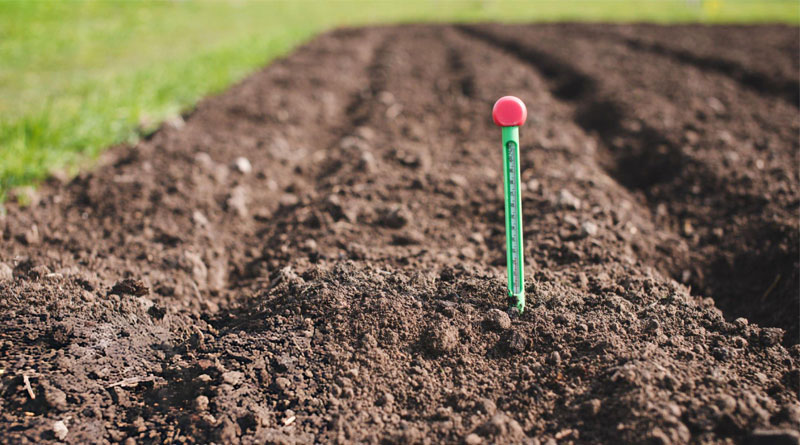
A soil thermometer is an indispensable tool that provides gardeners with precise insights into their soil’s readiness for planting, helping to avoid common pitfalls associated with prematurely placing seeds or seedlings into too cold (or too hot) ground. This guide will help you navigate the various options available, ensuring you select the best soil thermometer to cultivate a thriving garden year-round, whether you’re a seasoned horticulturist or just starting your green-thumb journey.
1. HSLGOVE 7-in-1 Soil Test Kit

- Measurements: Soil moisture, pH, fertility, soil temp, light, air temp, air humidity
- Display: Dual-dial & LCD screen
- Probe Material: 3 kinds of quality metal
- Probe Length: Approximately 6.8 inches
The HSLGOVE 7-in-1 Soil Test Kit is an exceptionally comprehensive tool designed for gardeners who want to understand every aspect of their soil and growing environment with a single device. This ingenious tester combines seven essential functions, including measuring soil moisture, pH levels, fertility, and light intensity, alongside digital readouts for soil temperature, air temperature, and air humidity. What truly sets it apart is its dual-dial design, integrating both an analog meter for quick checks and a clear LCD screen for precise digital readings of temperature and humidity.
One of the standout features is its effective probe, constructed from three types of quality metal, which ensures accuracy, strength, and durability for long-term use. At approximately 6.8 inches, the probe is suitable for both medium and large potted plants, minimizing harm to root systems thanks to its single-probe design. Simply insert it more than 3 inches into the soil, switch the function button, and get immediate results.
- Pros:
- Comprehensive 7-in-1 functionality
- Dual-dial and digital LCD display
- Durable, accurate 3-metal probe
- Cons:
- Requires specific battery installation
- Not for testing liquid moisture
2. ECOWITT WN34BD Wireless Thermometer

- Measurement Range: -55°C ~ 125°C (-67°F ~ 257°F)
- Probe Type: 1m (3.28 ft) silicone wire sensor
- Display: Integrated LCD on sensor
- Connectivity: Supports Ecowitt Cloud System, 915 MHz
The ECOWITT WN34BD Thermometer stands out as an upgraded and highly versatile temperature monitoring solution, perfect for a wide array of applications beyond just soil. While excellent for accurately gauging soil temperature, its robust design and wide measurement range make it equally suitable for pools, ponds, liquids, and even air. This model significantly improves upon its predecessors, offering an impressive temperature range from -55°C to 125°C, making it adaptable to extreme conditions that many standard thermometers can’t handle.
What truly elevates the ECOWITT WN34BD is its smart capabilities, especially when integrated into the Ecowitt ecosystem. It supports up to eight channels, meaning you can monitor temperatures in multiple locations simultaneously by purchasing additional sensors, all reporting back to a single receiver. For advanced monitoring, this thermometer can upload data to the free Ecowitt Weather server (ecowitt.net), enabling remote viewing of current and historical temperature data, graph analysis, and crucially, receiving email alerts directly to your smartphone or computer if temperatures fall outside your desired range.
- Pros:
- Extremely wide temperature range
- Durable, high-temperature resistant silicone probe
- Integrated LCD for direct readings
- Cons:
- Full functionality requires Ecowitt receiver/gateway
- Additional sensors sold separately
3. Taylor Soil Thermometer with Leaf Guard
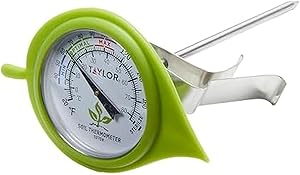
- Temperature Range: 20°F to 180°F (0°C to 80°C)
- Probe Material: Heavy-duty stainless steel
- Stem Length: 4 inches
- Special Feature: Decorative silicone leaf guard
The Taylor Soil Thermometer with Decorative Leaf Guard is a straightforward and reliable tool designed for gardeners seeking accurate soil temperature readings without unnecessary frills. This thermometer excels in its primary function, precisely measuring temperatures across a useful range from 20°F to 180°F (0°C to 80°C). This range is perfect for most gardening applications, allowing you to gauge the ideal planting window for various seeds and seedlings, thereby maximizing germination success and ensuring optimal growth from the outset.
A thoughtful addition to this thermometer is the decorative silicone leaf guard. More than just an aesthetic touch, this guard serves a practical purpose, offering enhanced protection for the thermometer and providing a comfortable, secure grip during insertion and removal from the soil. This user-friendly design minimizes the risk of slippage and adds a layer of comfort, especially when dealing with firm or challenging soil.
- Pros:
- Accurate temperature measurement
- Durable stainless steel construction
- Comfortable and protective leaf guard
- Cons:
- Only measures temperature (no other metrics)
- Analog display might be less precise for some
4. REOTEMP K83W Worm Composting Thermometer

- Material: Corrosion-resistant 304 stainless steel
- Stem Length: 7.5 inches
- Dial Size: 2 inches, with green highlighted optimal range
- Inclusion: Digital Worm Composting Guide
The REOTEMP K83W Worm Composting Thermometer is a highly specialized and invaluable tool for anyone serious about vermicomposting. While effective for general soil temperature monitoring, its design is specifically tailored to meet the unique needs of red wiggler worms, making it an essential device for maintaining a healthy and productive worm bin. Constructed with a corrosion-resistant 304 stainless steel case, bezel, and a substantial 7.5-inch stem, this thermometer is built to withstand the moist, active environment of a compost bin, ensuring durability and longevity.
A standout feature is the easy-to-read 2-inch dial, which prominently highlights the optimal temperature range for red wiggler worms in green. This intuitive visual cue allows composters to quickly assess if their bin is within the ideal temperature zone (typically 55°F to 77°F for maximum compost production and worm reproduction), enabling timely adjustments to ensure the worms thrive. The inclusion of a protective sheath with a pocket clip adds to its practicality, making it easy to carry and store while keeping the probe clean and safe.
- Pros:
- Specifically designed for worm composting
- Highly durable, corrosion-resistant stainless steel
- Easy-to-read dial with optimal range indicator
- Cons:
- Primarily niche-focused for worm bins
- Analog display may lack digital precision
5. Taylor 4-Inch Stem Soil Testing Thermometer
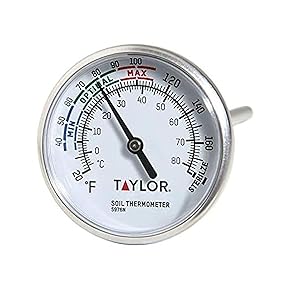
- Measurement Depth: 2 inches below surface
- Temperature Range: 20°F to 180°F (0°C to 80°C)
- Construction: Heavy-duty stainless steel
- Stem Length: 4 inches
The Taylor 4-Inch Stem Soil Testing Thermometer is a quintessential tool for gardeners who prioritize precise soil temperature measurement for optimal planting and germination. This straightforward yet highly effective thermometer is engineered to provide accurate readings 2 inches below the surface, a critical depth for assessing the soil’s readiness for most seeds and young plants. Its temperature range spans from 20°F to 180°F (0°C to 80°C), clearly indicating minimum, maximum, and optimal temperature zones.
Crafted with heavy-duty stainless steel, this thermometer is built to endure the rigors of outdoor use, offering exceptional durability and resistance to rust and corrosion. This robust construction ensures it will be a reliable part of your gardening toolkit for many seasons to come. The 4-inch stem is an ideal length for most garden beds, lawns, and potted plants, allowing for consistent and representative temperature checks.
- Pros:
- Accurate readings for planting optimization
- Clearly marked optimal temperature ranges
- Heavy-duty stainless steel construction
- Cons:
- Basic functionality (temperature only)
- Analog display may require careful reading
6. Urban Worm 5-inch Soil Thermometer

- Stem Length: 5 inches
- Material: Stainless steel stem
- Dial Markings: Green, yellow, and red tick marks for optimal ranges
- Optimal Worm Range: 55°F to 90°F (indicated on dial)
The Urban Worm 5-inch Soil Thermometer is a purpose-built tool designed to simplify temperature monitoring for both dedicated gardeners and vermicomposting enthusiasts. Its 5-inch stainless steel stem is crafted to penetrate various mediums, from garden soil to dense worm compost, reaching the crucial depths where temperature regulation is most important for plant roots or the well-being of red wigglers. The robust stainless steel construction ensures durability and resistance to the often-corrosive environments found in active compost bins, promising a long lifespan for this essential instrument.
What makes this thermometer particularly effective is its easy-to-read dial, featuring distinct green, yellow, and red tick marks. These color-coded zones provide instant visual cues, allowing users to quickly ascertain if conditions are optimal (green), approaching caution (yellow), or potentially problematic (red). For worm composters, this is especially beneficial as it clearly highlights the happy zone for worms (typically between 55°F and 90°F), helping to guide decisions on when to cool down a bin or move it to a warmer location to maximize composting efficiency and worm health.
- Pros:
- Clear, color-coded temperature zones
- Durable 5-inch stainless steel stem
- Ideal for both gardening and worm bins
- Cons:
- Basic analog design
- Limited to temperature measurement only
7. Luster Leaf 1625 Digital Soil Thermometer

- Display Type: Digital LCD
- Purpose: Determining soil temperature for planting and transplanting
- Measurement: Soil temperature
- Usage: Early season or transplanting
The Luster Leaf 1625 Digital Soil Thermometer is an indispensable tool for any gardener, particularly when precise soil temperature readings are paramount for early season planting or transplanting. Unlike its analog counterparts, this digital thermometer offers the distinct advantage of providing clear, unambiguous temperature readouts on an LCD screen, eliminating any guesswork often associated with needle indicators. This accuracy is crucial for ensuring that seeds germinate successfully and young plants establish robust root systems in optimal conditions.
By providing quick and precise digital readings, the Luster Leaf 1625 empowers gardeners to confidently decide when the soil is truly ready for new life. It’s not just about avoiding frost, but ensuring the ground is warm enough to kickstart biological activity. This thermometer simplifies the process of monitoring your garden, farm, or even potted plants, making it a must-have for those critical periods of the growing cycle. Its design prioritizes ease of use: simply insert the probe into the soil to the desired depth, and within moments, a clear digital number appears.
- Pros:
- Provides precise digital temperature readings
- Easy-to-read LCD screen
- Crucial for early season planting and transplanting
- Cons:
- Limited to soil temperature only
- Requires batteries for operation
How to Choose Soil Thermometers
For any gardener or plant enthusiast, understanding the conditions beneath the surface of the soil is just as vital as monitoring the weather above. Soil temperature plays a critical role in plant health, growth, and overall success. A high-quality soil thermometer is an indispensable tool that provides these insights, helping you make informed decisions about when to plant, fertilize, or even water. This comprehensive guide will walk you through everything you need to know to select the best soil thermometer for your specific gardening needs, ensuring your plants thrive from root to tip.
Why Soil Temperature Matters
Many factors contribute to a plant’s well-being, but soil temperature is often underestimated despite its profound impact. It dictates a wide array of biological processes that are essential for growth. Ignoring soil temperature can lead to wasted effort, poor yields, and unhealthy plants. Understanding its importance empowers you to create the optimal environment for your garden.
Seed Germination
Perhaps the most critical role of soil temperature is in seed germination. Every type of seed has an optimal temperature range for sprouting. If the soil is too cold, seeds may rot before they can germinate, or they may simply lie dormant. Conversely, excessively warm soil can inhibit germination or cause seeds to sprout too quickly, resulting in weak seedlings. A soil thermometer allows you to plant at precisely the right time, maximizing germination rates and giving your plants the best possible start.
Root Development
Healthy root systems are the foundation of healthy plants. Soil temperature directly influences root growth and activity. Roots grow best within specific temperature ranges, allowing them to effectively absorb water and nutrients. If the soil is too cold, root growth slows down, and the plant becomes stressed. If it’s too hot, roots can be damaged, leading to wilting and nutrient deficiencies even if water is abundant. Monitoring soil temperature ensures roots can develop robustly, anchoring the plant and supporting vigorous top growth.
Nutrient Uptake
The availability and uptake of nutrients by plants are also heavily dependent on soil temperature. Microorganisms in the soil, which are crucial for breaking down organic matter and converting nutrients into forms plants can use, are highly sensitive to temperature. Their activity is reduced in cold soil, meaning even if nutrients are present, plants may struggle to access them. Similarly, extreme heat can also disrupt microbial activity. A balanced soil temperature ensures these vital processes occur efficiently, allowing plants to absorb the nourishment they need.
Pest and Disease Prevention
Soil temperature can indirectly influence the prevalence of certain pests and diseases. Some soil-borne pathogens and insect larvae thrive in specific temperature conditions. By maintaining optimal soil temperatures for your plants, you can make the environment less hospitable for these unwanted guests. Moreover, healthy, less stressed plants (thanks to ideal temperatures) are naturally more resilient to attacks from pests and diseases, forming a crucial line of defense.
Types of Soil Thermometers
Just as there are various gardening methods, there are different types of soil thermometers, each with its own advantages and ideal applications. Choosing the right type depends on your specific needs, budget, and desired level of precision and functionality.
Analog/Dial Thermometers
Analog thermometers are often the simplest and most budget-friendly option. They typically feature a metal probe and a dial display that shows the temperature. These are excellent for quick, visual checks and are generally very durable, requiring no batteries. Many analog models are specifically designed for soil, often with a sturdy stainless steel stem and a clearly marked optimal range for common gardening tasks or composting. Their main drawback is that they offer less precision than digital models and cannot store data or provide advanced features.
Digital Thermometers
Digital soil thermometers provide precise numerical readings on an LCD screen, eliminating any ambiguity found with analog dials. They often come with a probe on a wire, allowing you to read the display without bending down. Many digital models also offer additional features like min/max temperature memory, temperature hold, and the ability to switch between Celsius and Fahrenheit. While generally more expensive and requiring batteries, their accuracy and ease of reading make them popular for serious gardeners who need exact data.
Multi-Functional Meters
Some devices integrate a soil thermometer with other important testing functions, such as pH, moisture, and light levels. These all-in-one meters are incredibly convenient for gardeners who want a comprehensive understanding of their soil’s health without needing multiple tools. While they offer versatility, it’s important to ensure each function is sufficiently accurate for your needs. They are often digital and may include features like dual screens or connectivity for data logging.
Wireless/Smart Thermometers
For tech-savvy gardeners or those managing large gardens, greenhouses, or compost piles, wireless or smart soil thermometers offer advanced monitoring capabilities. These devices typically consist of a probe that sends temperature data wirelessly to a receiver, smartphone app, or cloud-based platform. This allows for remote monitoring, historical data tracking, and often, customizable alerts if temperatures fall outside a desired range. While usually the most expensive option, they provide unparalleled convenience and data analysis for proactive plant care.
Key Features to Consider
Once you understand the different types, evaluating specific features will help you narrow down your choices and find the perfect soil thermometer that aligns with your gardening goals and practices. Consider these aspects carefully before making a purchase.
Accuracy and Range
The primary purpose of a thermometer is accuracy. Look for models that consistently provide precise readings within a reasonable margin of error. The temperature range is also important; ensure it covers the extremes you might experience in your climate, as well as the optimal temperatures for the plants you intend to grow. Most soil thermometers cover a range suitable for plants (e.g., 20°F to 180°F), but specialized uses like composting might require broader ranges.
Durability and Probe Material
Soil can be tough—rocky, compacted, or acidic. A flimsy probe will bend or break. Look for thermometers with heavy-duty stainless steel probes, which are corrosion-resistant and strong enough to penetrate dense soil. The overall construction should also be robust, especially if you plan to use it frequently outdoors in varying weather conditions. Waterproof or water-resistant designs are a significant plus, protecting the electronics from moisture and making cleaning easier.
Stem Length and Design
The length of the probe’s stem determines how deep into the soil you can measure. For most basic planting decisions, a 4- to 6-inch stem is sufficient. However, if you need to monitor deeper root zones, compost piles, or larger garden beds, a longer stem (8-12 inches or more) will be necessary. Some probes come with a pointed tip for easier insertion, while others may have a wider base for stability. A comfortable grip or handle is also beneficial for repeated use.
Readability and Display
The display should be clear and easy to read in various lighting conditions. Analog dials should have large, distinct numbers and markers. Digital displays should be backlit for low-light situations and have sufficiently large digits. Some thermometers highlight optimal temperature ranges with color-coding (e.g., green zones), which can be incredibly helpful for quick assessment.
Additional Features
Depending on your needs, consider extra features:
- Waterproof/Water-resistant: Essential for outdoor use and easy cleaning.
- Min/Max Memory: Records the lowest and highest temperatures over a period, useful for understanding temperature fluctuations.
- Hold Function: Freezes the current reading on a digital display for easy viewing.
- Calibration: Some professional-grade thermometers allow for user calibration to maintain accuracy over time.
- Connectivity (Wireless/Bluetooth): For remote monitoring, data logging, and alerts via apps or online platforms.
- Multi-functional: If you need to measure pH, moisture, or light in addition to temperature.
Ease of Use and Maintenance
A good soil thermometer should be simple to operate. Whether it’s an analog probe you just stick in the ground or a digital device with a few buttons, the process should be intuitive. Easy cleaning is also vital for preventing disease spread and maintaining accuracy. For digital models, consider battery life and how easy it is to replace batteries.
How to Use a Soil Thermometer Effectively
Possessing a soil thermometer is only half the battle; knowing how to use it correctly and interpret its readings is equally important for maximizing its benefits in your garden. Consistent and proper usage will yield the most reliable data for informed decision-making.
Best Practices for Measurement
For accurate readings, always insert the probe to the depth where your seeds or roots will primarily reside, typically 2-6 inches. Take multiple readings in different spots across your planting area, as soil temperature can vary due to sun exposure, shade, and moisture levels. For general planting, check the soil temperature in the morning after the soil has had time to stabilize overnight. Always clean your thermometer after each use, especially if moving between different garden beds, to prevent the spread of diseases. If using a digital thermometer, ensure batteries are fresh for consistent readings.
Interpreting Readings
Once you have your readings, compare them to the optimal temperature requirements for the specific plants you intend to grow. Many seed packets or plant tags will provide this information. As a general rule, most warm-season crops (tomatoes, peppers, corn) prefer soil temperatures consistently above 60-65°F (15-18°C), while cool-season crops (lettuce, spinach, peas) can germinate and grow well in soil as low as 45-55°F (7-13°C). Pay attention to fluctuations over several days rather than relying on a single reading, especially in early spring when temperatures can be variable. Using the thermometer consistently will help you learn the unique temperature patterns of your garden and fine-tune your planting schedule year after year.
Conclusion
A soil thermometer is far more than a simple gadget; it’s a vital diagnostic tool that empowers gardeners to cultivate healthier, more productive plants. By understanding and actively monitoring soil temperature, you unlock a deeper connection with your garden’s unseen world, ensuring optimal conditions for seed germination, robust root development, efficient nutrient uptake, and enhanced resilience against pests and diseases. Whether you choose a basic analog model for quick checks or a sophisticated smart thermometer for remote monitoring, investing in this essential tool will undoubtedly elevate your gardening success. Take the guesswork out of planting and embrace the precision that a reliable soil thermometer brings, leading to a thriving and bountiful garden season after season.