Best Compost Bins For Garden of 2026
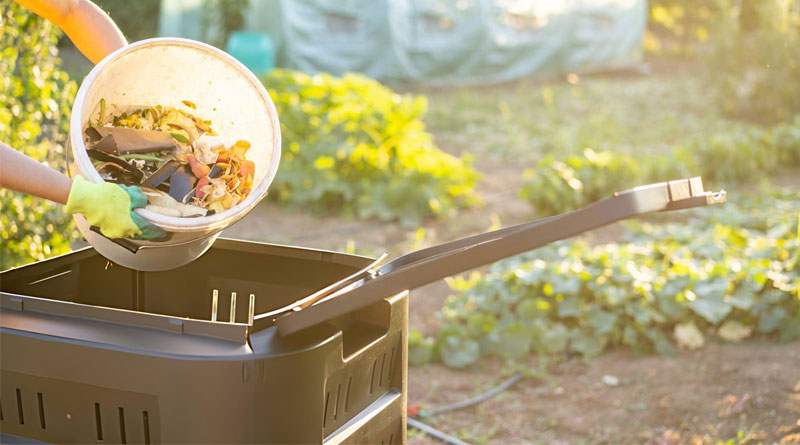
Transforming kitchen scraps and garden waste into nutrient-rich soil is a rewarding endeavor for any gardener, and choosing the right compost bin is the first crucial step. The best compost bin seamlessly integrates into your gardening routine, efficiently breaks down organic matter, and provides a continuous supply of valuable compost to enrich your plants.
1. VIVOSUN Outdoor Tumbling Composter
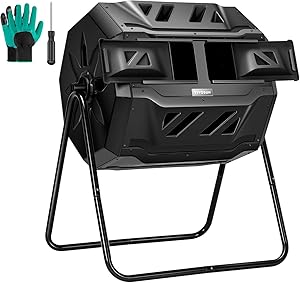
- Capacity: 43 gallons
- Chambers: Dual rotating batch chambers
- Material: Premium metal frame, high-quality PP plastic body
- Aeration: Air vents and deep fins for oxygen circulation
The VIVOSUN Outdoor Tumbling Composter is an excellent choice for gardeners seeking an efficient and hands-free composting solution. Its standout feature is the dual-chamber design, which allows for continuous composting. You can have one chamber actively breaking down organic matter while simultaneously adding fresh scraps to the second. This thoughtful design eliminates the common bottleneck of waiting for a single batch to complete before starting anew.
Beyond its dual functionality, the 360-degree tumbling mechanism is a game-changer. It negates the need for manual digging or mixing, saving you effort and keeping your hands clean. The integrated deep fins on the eight panels are crucial for breaking up clumps and ensuring uniform aeration throughout the pile, which is vital for accelerated decomposition.
- Pros:
- Dual chambers for continuous composting
- Effortless 360° tumbling action
- Excellent aeration promotes faster decomposition
- Cons:
- Assembly may take some time
- 43-gallon capacity might be small for very large gardens
2. Geobin Compost Bin
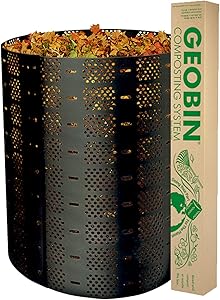
- Capacity: Up to 246 gallons (expandable to 4 feet)
- Material: Premium high-density polyethylene
- Origin: Made in the USA
- Assembly: Easy, includes connection keys
The Geobin Compost Bin stands out as an exceptional choice for gardeners needing a large, flexible, and efficient system for their organic waste. Its most compelling feature is the massive 246-gallon capacity, which is expandable to four feet, making it perfect for those with ample garden space or a significant volume of yard waste to process. Unlike rigid, fixed-size bins, the Geobin’s expandable design allows you to adjust its size based on your composting needs.
Crafted from premium high-density polyethylene, this composter is built for long-term outdoor use, promising durability without degrading or leaching into your valuable compost or the environment. This inert material ensures that your compost remains pure and healthy for your plants. The design is also optimized for maximum ventilation, featuring a slatted structure that promotes accelerated decomposition by allowing ample airflow.
- Pros:
- Very large, expandable capacity
- Excellent ventilation for fast decomposition
- Durable, long-lasting material
- Cons:
- Open design might attract pests if not managed well
- Less aesthetic appeal than enclosed bins
3. Goplus Compost Bin

- Capacity: 80 gallons (300 liters)
- Material: Thickened BPA-free PP plastic
- Access: Top flip lid, bottom exit door
- Aeration: 12 vents on each side
The Goplus Compost Bin offers a substantial 80-gallon capacity, making it an excellent choice for average to large gardens and households that generate a consistent amount of kitchen and yard waste. This generous size ensures you can store and ferment a significant volume of organic materials, reducing the frequency of emptying and maximizing the efficiency of your composting efforts. Made from thickened, eco-friendly, BPA-free PP plastic, the composter boasts impressive durability.
One of the most user-friendly aspects of the Goplus bin is its hassle-free assembly, requiring no tools or screws and completing within minutes, which is a major plus for busy gardeners. The design facilitates a convenient composting process: simply open the large top lid to add waste, and in just 6-8 weeks (or even less in warmer climates), you can harvest rich soil from the bottom exit door.
- Pros:
- Generous 80-gallon capacity
- Durable, BPA-free, weather-resistant material
- Extremely easy, tool-free assembly
- Cons:
- Stationary design requires manual mixing
- Lid latch could be more robust
4. VEVOR Compost Bin

- Capacity: 43 gallons (dual chambers)
- Material: High-quality PP, sturdy metal frame
- Access: Two detachable sliding doors
- Aeration: Strategically placed vents, internal grooves
The VEVOR Compost Bin presents a highly efficient and convenient solution for organic waste management, particularly for those with medium-sized gardens or active composting needs. Its defining feature is the 43-gallon dual-chamber design, which allows for a continuous composting cycle. You can fill one chamber with fresh organic material while the other matures, ensuring a constant supply of ready-to-use compost and significantly shortening the overall processing time. This simultaneous operation is ideal for large families and avid gardeners who consistently generate kitchen and yard waste.
The composter is engineered for durability and ease of use. Crafted from high-quality, BPA-free PP materials and supported by a robust steel frame, it boasts a substantial load-bearing capacity and is highly resistant to UV rays and various weather conditions, including rain, snow, and strong winds. This construction ensures a long lifespan and reliable performance outdoors. Accessing and managing your compost is made easy with detachable sliding doors that offer large openings for adding waste or retrieving finished compost. Crucially, these doors provide a secure seal, keeping out unwanted pests like mice and insects.
- Pros:
- Dual chambers for continuous composting
- Robust, weather-resistant construction
- Effortless 360° tumbling action
- Cons:
- Assembly can be complex for some
- 43-gallon capacity might be limiting for very large amounts of waste
5. THEGROW’ING Updated 43 Gallon Compost Bin
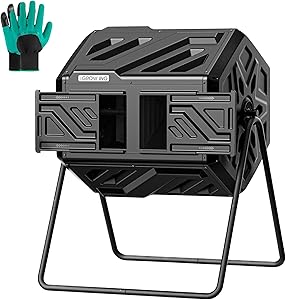
- Capacity: 43 gallons (dual chambers)
- Assembly: Fast, built-in internal nut system
- Material: BPA-free PP plastic, powder-coated steel frame
- Aeration: Internal air vents, compost turner design
The THEGROW’ING Updated 43 Gallon Compost Bin is engineered for efficiency and user-friendliness, making it an ideal choice for both composting novices and seasoned gardeners. Its most notable innovation is the “Save 80% Time” fast assembly, featuring a built-in internal nut system that eliminates the fiddly task of holding nuts from the outside. This design significantly reduces setup time to under 10 minutes, making it one of the quickest tumblers to get up and running, which is a huge benefit for those who prefer convenience.
The dual-chamber system is another critical advantage, allowing for continuous composting. You can maintain a batch of maturing compost in one chamber while actively filling the second with fresh organic waste, ensuring an uninterrupted flow of nutrient-rich soil. This design effectively doubles your composting capacity and efficiency compared to single-barrel units. Fast aeration and mixing are achieved through internal air vents and a built-in compost turner design, which, combined with the heat-absorbing black and brown exterior, accelerate the decomposition process.
- Pros:
- Extremely fast and easy assembly
- Dual chambers for continuous composting
- Efficient aeration and mixing for quick results
- Cons:
- 43-gallon capacity may be too small for very high waste volumes
- Plastic parts could potentially become brittle over extreme prolonged exposure
6. JupiterForce Garden Compost Bin

- Capacity: 80 gallons (300 liters)
- Material: BPA-free, all-weather plastic
- Access: Top lid for loading, sliding bottom door for harvesting
- Aeration: Four vents on each side
The JupiterForce Garden Compost Bin offers a robust and eco-friendly solution for gardeners looking to process a significant amount of organic waste efficiently. With a generous 80-gallon (300 L) capacity, this bin provides ample space for kitchen scraps, grass clippings, and leaves, ensuring efficient decomposition and a steady supply of nutrient-rich compost for your garden. Constructed from durable, BPA-free materials, it is designed to be all-weather frost and rainproof, ensuring it can be used year-round without degradation or concern for leaching harmful chemicals into your compost. This commitment to environmental protection and durability makes it a reliable choice for sustainable gardening practices.
The design prioritizes both efficiency and convenience. Each side of the composter features four strategically placed vents, ensuring excellent air circulation. This consistent oxygen flow is crucial for accelerating the composting cycle, allowing organic matter to break down more rapidly into fertile soil. The bin’s user-friendly top lid facilitates easy loading of new waste, while a convenient sliding bottom door allows for effortless collection of finished compost. This dual-access system simplifies both the input and output processes.
- Pros:
- Large 80-gallon capacity
- Durable, BPA-free, all-weather materials
- Excellent ventilation for faster composting
- Cons:
- Stationary design requires manual turning
- No elevated base (designed for ground contact)
7. SUPER DEAL 120 Gallon Compost Bin

- Capacity: 120 gallons (450 liters)
- Material: High-quality, BPA-free PP plastic
- Aeration: Four vents on each side
- Processing Time: Approximately 6-8 weeks
The SUPER DEAL 120 Gallon Compost Bin offers a truly expansive capacity, making it an excellent choice for large gardens, avid composters, or households with substantial kitchen and yard waste. With an impressive 450 liters (120 gallons) of space, it’s designed to accommodate significant volumes of organic material, reducing the need for frequent emptying and allowing for a more efficient and less interrupted composting cycle. Constructed from high-quality, BPA-free PP plastic, this composter is environmentally safe and built to withstand diverse weather conditions, from cold winters to warm summers, ensuring its suitability for year-round outdoor use in gardens, farmlands, and yards.
A key feature enhancing its performance is the superb aeration system, which includes four reasonably distributed vents on each side. These vents are crucial for promoting consistent air circulation, providing optimal oxygen levels that help break up clumps and accelerate the decomposition process. This efficient aeration contributes to a remarkably short processing time, allowing organic materials to transform into nutrient-rich fertilizer in approximately 6-8 weeks. This rapid conversion means you can quickly put your compost to good use in your garden, effectively transforming waste into valuable resources.
- Pros:
- Exceptional 120-gallon large capacity
- Durable, BPA-free, all-weather material
- Superb aeration system for fast decomposition
- Cons:
- Stationary design requires manual turning
- Lightweight when empty, potentially prone to wind displacement
How to Choose Compost Bins For Garden
Composting is a fantastic way to reduce household waste, enrich your garden soil, and contribute to a more sustainable lifestyle. However, with a multitude of options available, selecting the “best” compost bin can feel overwhelming. The ideal compost bin for you will depend on several factors, including the amount of waste you generate, your available space, your desired composting speed, and your budget. This comprehensive guide will walk you through the key considerations, types of compost bins, and essential features to help you make an informed decision and find the perfect composting companion for your garden.
Understanding Your Composting Needs
Before diving into specific products, it’s crucial to assess your personal composting requirements. Consider how much organic waste your household produces. Do you primarily have kitchen scraps, or do you also have a significant amount of yard waste like leaves, grass clippings, and small branches? The volume of your waste will directly impact the size and capacity of the compost bin you need. A small urban apartment dweller might only need a compact kitchen composter or a small tumbler, while someone with a large garden will likely benefit from a much larger, high-capacity outdoor bin.
Think about your available space. Do you have a spacious backyard, a small patio, or just a balcony? This will determine whether you can accommodate a large, stationary bin, a tumbling composter, or if you’re limited to smaller, more discreet options. Also, consider the aesthetics – some bins are designed to blend seamlessly into a garden, while others are purely functional. Lastly, reflect on your commitment to turning the compost. Are you willing to regularly aerate a pile by hand, or do you prefer a low-effort system like a tumbler?
Types of Compost Bins
Stationary Compost Bins
Stationary compost bins are typically large, upright containers made from plastic, wood, or metal mesh. They sit directly on the ground, allowing direct contact with the soil, which encourages beneficial worms and microorganisms to enter the pile and aid decomposition. These bins are often the most economical option for their capacity and are excellent for processing large volumes of yard waste. They require manual turning or mixing to ensure proper aeration, which can be done with a pitchfork or a compost aerator. Some models feature a top-loading design and a bottom hatch for easy removal of finished compost.
Compost Tumblers
Compost tumblers are elevated, enclosed bins that rotate on an axis. Their main advantage is the ease of aeration; a simple spin or two every few days mixes the contents, eliminating the need for manual turning. This makes them ideal for those who prefer a hands-off approach or have physical limitations. Tumblers are also generally faster than stationary bins because their enclosed design helps retain heat, and consistent aeration speeds up decomposition. Many tumblers feature dual chambers, allowing you to have one batch curing while adding fresh materials to another, ensuring a continuous supply of compost. They are typically more expensive than stationary bins and have a more limited capacity, making them suitable for smaller to medium-sized households and gardens.
Worm Composting Bins (Vermicomposting)
Vermicomposting bins use red wiggler worms to break down organic waste into nutrient-rich worm castings. These systems are excellent for processing kitchen scraps, produce very high-quality compost, and can be used indoors or outdoors in shaded areas. They are relatively compact and odorless when managed correctly. Worm bins are ideal for households that primarily generate food waste and are looking for an efficient, space-saving, and highly effective composting method. However, they require a bit more maintenance to ensure the worms’ environment is optimal.
Key Features to Consider
Capacity
As discussed, capacity is paramount. Smaller bins (under 50 gallons) are good for small households or light composters, typically handling kitchen scraps. Medium bins (50-100 gallons) are versatile for average households with some yard waste. Large bins (100+ gallons or expandable) are best for avid gardeners, large families, or those with significant yard waste. Overestimate your needs slightly rather than underestimate them, as a full bin can slow down the composting process.
Material and Durability
Compost bins are subjected to the elements, so durability is key. High-density polyethylene (HDPE) plastic is common, offering good weather resistance and UV protection. Metal frames, especially powder-coated steel, add stability to tumblers. Wooden bins can look natural but may require more maintenance and can rot over time if not treated. Ensure materials are BPA-free if you’re concerned about chemicals leaching into your compost, especially for edible plants.
Aeration System
Oxygen is vital for aerobic decomposition, which is the fastest and least odorous method.
Look for bins with ample ventilation holes or a design that promotes airflow. Tumblers inherently provide good aeration through rotation. Stationary bins need to be designed with gaps or vents, or you’ll need to manually aerate them regularly. Good aeration prevents the compost from becoming anaerobic, which can lead to foul odors and slower decomposition.
Access and Harvesting
Consider how easy it is to add new materials and, more importantly, how easy it is to retrieve finished compost. Top-loading designs are common for adding scraps. For harvesting, some stationary bins have bottom doors or panels that slide open, allowing you to scoop out the finished compost without disturbing the top layers. Tumblers usually have large sliding doors or hatches for both loading and unloading, making the process cleaner and more convenient.
Pest Resistance
An enclosed design is essential to keep out pests like rodents, raccoons, and insects, especially if you’re composting food scraps. Tumblers are generally more pest-proof due to their sealed design. Stationary bins should have secure lids and sturdy construction to deter unwanted visitors. If you opt for an open-pile system, be mindful of what you’re composting and avoid meat, dairy, or oily foods.
Assembly
Some compost bins are notoriously difficult to assemble, while others snap together in minutes. Check user reviews for insights into assembly complexity. Tool-free assembly is a significant advantage for many users. While a one-time task, a complicated assembly can be a frustrating start to your composting journey.
Price and Value
Compost bin prices vary widely. Basic stationary bins can be very affordable, while high-capacity, dual-chamber tumblers can be a significant investment. Consider the long-term value: a durable bin that meets all your needs and lasts for years is a better investment than a cheap bin that quickly breaks or doesn’t perform well. Balance cost with features, capacity, and expected lifespan.
Tips for Successful Composting
- Balance Greens and Browns: Aim for a mix of “greens” (nitrogen-rich materials like kitchen scraps, grass clippings) and “browns” (carbon-rich materials like leaves, wood chips, shredded paper). A general ratio of 1 part green to 2-3 parts brown is ideal.
- Chop it Up: Smaller pieces break down faster. Chop larger kitchen scraps and shred yard waste.
- Keep it Moist: The compost pile should be consistently damp, like a wrung-out sponge. Add water if it’s too dry, or more browns if it’s too wet.
- Turn Regularly: For stationary bins, turn the pile every week or two to aerate it. Tumblers just need a few spins.
- Avoid Problematic Items: Do not compost meat, dairy, oily foods, pet waste, diseased plants, or invasive weeds, as these can attract pests or introduce pathogens.
Conclusion
Choosing the best compost bin for your garden is a personal decision that hinges on your specific needs and priorities. Whether you opt for the high efficiency of a dual-chamber tumbler, the large capacity of a stationary bin, or the specialized process of vermicomposting, the key is to select a system that you can consistently use. By considering factors like capacity, material, aeration, access, and ease of use, you can find a compost bin that not only helps you manage waste but also enriches your garden with precious, homemade soil amendments. Happy composting!