Best Garden Pest Control of 2026
Effective garden pest control is not just about eliminating existing threats, but also about implementing strategies to prevent future infestations and maintain a healthy ecosystem. Choosing the right pest control method requires understanding your specific adversaries and selecting products that are safe, efficient, and appropriate for your garden’s unique needs, ensuring your green space remains vibrant and productive year-round.
1. BioAdvanced Fruit, Citrus & Vegetable Insect Control

- Formulation: Concentrated liquid, mixes with water
- Coverage: Treats up to 640 square feet
- Protection Duration: Season-long with one application
- Target Pests: Asian Citrus Psyllids, Aphids, Whiteflies, and more
The BioAdvanced Fruit, Citrus & Vegetable Insect Control offers a robust solution for gardeners looking to protect their edible plants from a wide array of damaging pests. Its specially formulated systemic action means that once applied, the insecticide is absorbed by the plant, providing comprehensive protection from the inside out. This innovative approach ensures that pests like Asian Citrus Psyllids, aphids, and whiteflies are targeted effectively. The convenience of a single application lasting an entire season is a significant advantage.
Designed for use on over 100 listed fruits, vegetables, and citrus plants, this product is incredibly versatile for various edible garden setups. Its rainproof quality guarantees that the protection remains intact regardless of weather conditions shortly after application, which is crucial for consistent pest management. Preparing and applying the solution is straightforward: simply mix the concentrate with water and apply it to the soil around the base of your plants.
- Pros:
- Provides season-long protection
- Rainproof formula ensures longevity
- Effective on over 100 types of edible plants
- Cons:
- Not an organic solution
- Requires mixing before application
2. Bonide Captain Jack’s Neem Oil for Organic Gardening
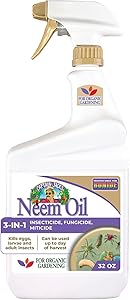
- Type: Multi-purpose fungicide, insecticide, miticide
- Formulation: Ready-to-use spray
- Organic Status: Approved for organic gardening
- Action: Kills all insect stages (egg, larvae, adult)
Bonide Captain Jack’s Neem Oil is a versatile and essential tool for any organic gardener battling pests and diseases. This 3-in-1 solution acts as a fungicide, insecticide, and miticide, offering comprehensive protection against a wide range of common garden problems, from spider mites and aphids to powdery mildew and black spot. What sets this product apart is its organic certification, derived directly from the neem seed, making it safe for use on edibles like vegetables, fruits, and herbs, even up to the day of harvest. Its ability to disrupt insect life cycles by killing eggs, larvae, and adult pests ensures thorough eradication and prevention.
The ready-to-use spray bottle design enhances convenience, allowing for immediate application without the need for mixing or dilution. This user-friendly feature is particularly beneficial for quick treatments and consistent maintenance. Beyond active pest control, Captain Jack’s Neem Oil also serves as an excellent dormant spray, providing year-round protection for plants by deterring overwintering pests and fungal spores. Its broad applicability on roses, flowers, indoor houseplants, trees, and shrubs makes it a go-to product for maintaining a healthy, vibrant garden free from a multitude of threats, aligning perfectly with organic gardening principles.
- Pros:
- Multi-purpose: insecticide, fungicide, miticide
- Approved for organic gardening
- Ready-to-use formulation
- Cons:
- Can have a strong, distinct odor
- May require repeated applications for severe infestations
3. Sevin Insect Killer Ready to Use Spray

- Formulation: Ready-to-use liquid spray
- Volume: 1 Gallon
- Action: Kills on contact
- Target Pests: Over 700 listed insects, including ants, Japanese beetles, whiteflies, aphids
Sevin Insect Killer Ready to Use Spray is a highly effective and convenient solution for gardeners facing a broad spectrum of insect problems. This 1-gallon ready-to-use formula eliminates the need for mixing or dilution, making it incredibly simple to apply directly to affected plants. Its fast-acting nature means it kills on contact, providing immediate relief from damaging pests, which is crucial when infestations threaten to quickly destroy your garden. Capable of controlling over 700 listed insects, including common nuisances like Japanese beetles, aphids, whiteflies, and ants, it offers comprehensive protection for a wide variety of garden plants.
One of the key advantages of Sevin is its versatility and safety for plants; it effectively targets pests without harming your delicate roses, flowers, or edible crops. Simply shake the bottle and spray at the first signs of insect damage to protect your garden from further harm. After application, the treated area is safe for people and pets to return to once the spray has settled, providing peace of mind. For those seeking a powerful, easy-to-use solution for widespread insect control in their garden, Sevin Insect Killer offers reliable and quick results, ensuring your plants remain healthy and vibrant throughout the growing season.
- Pros:
- Ready-to-use, no mixing required
- Kills over 700 listed insects on contact
- Safe for use on roses, flowers, and edibles
- Cons:
- Not an organic gardening solution
- Broad-spectrum, can affect some beneficial insects
4. Garden Safe Crawling Insect Killer
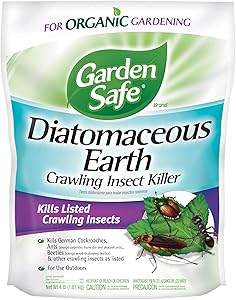
- Active Ingredient: Diatomaceous Earth (DE)
- Organic Status: Approved for organic gardening
- Application: Fine powdery granules
- Target Pests: Crawling insects like cockroaches, ants, beetles, fleas, mealybugs
The Garden Safe Brand Crawling Insect Killer, containing Diatomaceous Earth (DE), is an excellent choice for gardeners seeking an organic and natural approach to pest control. This 4-pound container of fine, powdery granules harnesses the power of naturally occurring DE to physically eliminate crawling insects. When insects come into contact with the dust, the microscopic particles absorb oils and fats from their exoskeletons, leading to dehydration and ultimately death.
Approved for organic gardening, this product provides a safe solution for both indoor and outdoor use around plants, pets, and children when applied correctly. It’s particularly effective against a range of crawling pests such as cockroaches, ants, beetles, fleas, and mealybugs. Application involves dusting a thin layer onto plants and around their base, or directly onto insects when possible. While it may not offer instantaneous knockdown like chemical sprays, its long-lasting control, as long as it remains dry, makes it a valuable, environmentally friendly option for sustained pest management and a staple for any eco-conscious gardener.
- Pros:
- Organic gardening approved formula
- Safe for use around pets and children
- Long-lasting control when kept dry
- Cons:
- Not effective on flying insects
- Effectiveness is reduced if it gets wet
5. Natria Neem Oil Spray for Organic Pest & Disease Control

- Active Ingredient: Neem Oil
- Formulation: Ready-to-use spray
- Multi-function: Insecticide, miticide, fungicide
- Usage: Indoor and outdoor plants
Natria Neem Oil Spray is a comprehensive organic solution for gardeners seeking to control pests and diseases on both indoor and outdoor plants. This 24-ounce ready-to-use bottle makes application incredibly simple, eliminating the need for any mixing or special preparation. As a multi-use product, it functions effectively as an insecticide, miticide, and fungicide, offering broad-spectrum defense against a variety of common garden ailments. It excels at tackling persistent pests like aphids, spider mites, whiteflies, and even gnats, while also combatting fungal diseases such as black spot, powdery mildew, botrytis, and rust.
The organic nature of Natria Neem Oil provides peace of mind, knowing you’re using a naturally derived product to protect your plants, especially edibles. Its versatility extends to almost any plant type, from delicate indoor houseplants to robust outdoor vegetables and ornamentals, making it a staple in any eco-conscious gardener’s toolkit. The ease of application and its dual action against both insects and diseases positions Natria Neem Oil as an efficient and reliable choice for maintaining plant health and vitality without resorting to synthetic chemicals. For preventative care or active treatment, this ready-to-use neem oil delivers consistent results.
- Pros:
- Organic and naturally derived
- Multi-purpose: insecticide, miticide, fungicide
- Ready-to-use for convenient application
- Cons:
- Can have a noticeable, earthy odor
- Requires consistent reapplication for best results
6. Wondercide Outdoor Pest Control Spray

- Active Ingredients: Natural essential oils (Cedarwood)
- Coverage: Up to 5,000 square feet (32 oz bottle)
- Application: Attaches directly to garden hose
- Safety: Safe around pets and kids when used as directed
Wondercide Outdoor Pest Control Spray offers a natural and effective solution for managing a wide range of outdoor pests, utilizing the power of essential oils, primarily cedarwood. This 32-ounce ready-to-spray bottle conveniently attaches directly to a garden hose, allowing for easy and broad application across lawns, gardens, patios, and other outdoor areas. It acts as both a killer and repellent for numerous insects, including mosquitoes, ants, fleas, ticks, roaches, and Japanese beetles, making it a versatile choice for comprehensive yard protection. The plant-powered formula ensures a safer alternative to conventional chemical pesticides.
One of Wondercide’s most appealing features is its safety profile. When used as directed, it is safe around pets and children, allowing immediate re-entry into treated areas without any waiting period. This provides significant peace of mind for families and pet owners. The generous coverage of up to 5,000 square feet per bottle makes it efficient for larger outdoor spaces, whether for preventative measures or treating existing infestations. With its commitment to natural ingredients and eco-friendly practices, Wondercide provides an excellent option for those looking to maintain a pleasant, pest-free outdoor environment without compromising on safety or sustainability.
- Pros:
- Made with natural, plant-powered essential oils
- Safe for use around pets and children
- Easy hose-end sprayer application
- Cons:
- Scent can be strong for some users
- May require more frequent applications than synthetic pesticides
7. Trifecta Crop Control Maximum Strength Natural Pesticide
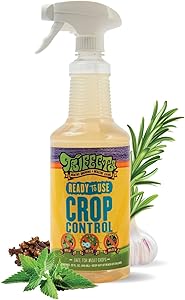
- Formulation: Ready-to-use liquid spray
- Active Ingredients: All-natural, plant-based essential oils
- Multi-function: Pesticide, fungicide, miticide, insecticide
- Target Issues: Spider mites, powdery mildew, aphids, whiteflies, mold
Trifecta Crop Control offers a maximum-strength, all-natural solution for comprehensive plant protection against a myriad of pests and diseases. This 32-ounce ready-to-use bottle is formulated with potent plant-based essential oils, acting as a powerful pesticide, fungicide, miticide, and insecticide all in one. It is particularly effective in combating some of the most stubborn garden threats, including spider mites, aphids, whiteflies, fungus gnats, and various forms of mold and mildew like powdery mildew and botrytis. Its eco-friendly and biodegradable composition ensures that while it’s tough on pests, it’s gentle on the environment and beneficial insects.
A key advantage of Trifecta Crop Control is its safety for use on edible crops, leaving no harmful chemical residues, which is a major concern for many gardeners. The ready-to-use format simplifies application; gardeners can directly spray it onto plants without dilution, making it convenient for both indoor houseplants and outdoor gardens. Regular application helps to restore plant health, making plants more resilient against future infestations. Trusted by both home gardeners and professional growers, Trifecta Crop Control is a premium choice for cultivating vibrant, pest-free plants, particularly for those dedicated to organic practices and seeking a highly effective, non-toxic solution.
- Pros:
- All-natural and plant-based formula
- Multi-action: pesticide, fungicide, miticide, insecticide
- Safe for use on edible crops with no chemical residues
- Cons:
- Higher price point compared to some alternatives
- May require consistent application for best results
How to Choose Garden Pest Control
Before you can effectively combat garden pests, you must first understand who your adversaries are. Different pests require different strategies, and a one-size-fits-all approach can often be ineffective or even harmful to your garden ecosystem. Taking the time to identify the specific pests plaguing your plants is the crucial first step towards successful pest management.
Identifying Common Pests
Gardens are home to a diverse range of insects, some beneficial and others destructive. Common garden pests include aphids, tiny sap-sucking insects often found in clusters on new growth; spider mites, microscopic arachnids that create fine webbing and cause stippling on leaves; slugs and snails, which leave silvery trails and irregular holes in foliage; and caterpillars, the larvae of moths and butterflies that chew through leaves and fruits. Other frequent culprits are whiteflies, tiny white-winged insects that fly up in clouds when disturbed, and various types of beetles, which can skeletonize leaves or bore into stems.
Recognizing Damage Signs
Observing your plants regularly for signs of damage is essential for early detection. Chewed leaves, holes, or ragged edges often indicate caterpillar or slug activity. Yellowing, curling, or stunted leaves, sometimes accompanied by sticky residue (honeydew) and sooty mold, are classic signs of sap-sucking insects like aphids or whiteflies. Fine webbing on the undersides of leaves points to spider mites. Discolored spots, deformed growth, or wilting can suggest either severe insect infestation or the presence of plant diseases often spread by pests. Early recognition allows for prompt intervention, minimizing damage and preventing infestations from spiraling out of control.
Types of Pest Control Methods
Once you’ve identified your pests, the next step is to choose an appropriate control method. Pest control generally falls into two broad categories: organic/natural solutions and chemical pest control, each with its own advantages and considerations.
Organic and Natural Solutions
Organic pest control methods prioritize ecological balance, minimizing harm to beneficial insects, wildlife, and the environment. These approaches often involve working with nature to keep pest populations in check.
- Biological Controls: This involves introducing or encouraging natural predators and parasites of pests. Ladybugs, lacewings, and parasitic wasps are excellent examples of beneficial insects that can significantly reduce populations of aphids, mites, and caterpillars.
- Botanical Pesticides: Derived from plants, these pesticides offer a natural alternative to synthetic chemicals. Neem oil, extracted from the neem tree, acts as an insect growth regulator, repellent, and anti-feedant. Pyrethrin, derived from chrysanthemums, provides a quick knockdown effect against many insects. While natural, these should still be used carefully as they can affect beneficial insects.
- Physical Barriers: Row covers, netting, or sticky traps can physically prevent pests from reaching your plants. Hand-picking larger pests like tomato hornworms or slugs is also a simple, effective physical method.
- Cultural Practices: Healthy plants are more resistant to pests. This includes practices like crop rotation, which breaks pest life cycles; companion planting, where certain plants deter pests from others; and maintaining good garden hygiene by removing diseased plant material and weeds that can harbor pests.
- Diatomaceous Earth (DE): A naturally occurring, fine powder made from fossilized algae. When crawling insects come into contact with DE, its sharp, microscopic edges cut their exoskeletons, and its absorbent properties cause them to dehydrate and die. It’s safe for pets and humans but must be kept dry to be effective.
- Homemade Sprays: Simple concoctions like insecticidal soap (diluted dish soap) or garlic and chili sprays can deter or kill soft-bodied insects. Always test on a small area first to ensure it doesn’t harm your plants.
Chemical Pest Control
Chemical pesticides offer a powerful and often fast-acting solution for severe infestations. However, their use requires careful consideration due to potential impacts on the environment, beneficial organisms, and human health.
- Systemic vs. Contact: Contact pesticides kill pests upon direct exposure, while systemic pesticides are absorbed by the plant and move through its tissues, killing pests that feed on the treated plant. Systemic pesticides can offer longer-lasting protection but can also pose risks to pollinators if used on flowering plants.
- Broad-spectrum vs. Targeted: Broad-spectrum pesticides kill a wide range of insects, including beneficial ones, which can disrupt the garden’s natural balance. Targeted pesticides are designed to affect only specific pests, minimizing collateral damage. Whenever possible, opt for targeted options.
- Considerations for Edibles vs. Ornamentals: Always check product labels for specific instructions regarding use on edible plants. Many chemical pesticides have “days to harvest” restrictions, indicating how long you must wait after application before consuming the crop. For ornamentals, options might be broader, but environmental impact remains a concern.
- Safety Precautions: When using chemical pesticides, always read and follow label instructions meticulously. Wear appropriate protective gear (gloves, masks, eye protection) and apply during calm weather to prevent drift. Keep children and pets away from treated areas until dry or for the recommended re-entry interval.
Factors to Consider When Choosing a Product
Selecting the best garden pest control product involves evaluating several factors to ensure it aligns with your specific needs and gardening philosophy.
Target Pests
Is your problem a single species, or are you dealing with multiple types of pests? A product like neem oil, which is a multi-purpose insecticide, fungicide, and miticide, might be ideal for broad issues. For a very specific problem, a targeted solution could be more effective and environmentally friendly, minimizing impact on non-target organisms.
Plant Type
Consider the plants you are treating. Are they delicate ornamentals, robust vegetables, or sensitive herbs? Some products might be too harsh for certain plants. Crucially, if you are treating edible crops, choose products explicitly labeled as safe for edibles and adhere to any “days to harvest” recommendations.
Safety for Humans, Pets, and Beneficials
Your safety and the safety of your family and pets should be paramount. Look for products that are low in toxicity or approved for organic gardening if these are important to you. Consider the impact on beneficial insects like bees and ladybugs, which are vital for pollination and natural pest control. Opt for products that have minimal residual effects on non-target organisms.
Application Method
Pest control products come in various forms: ready-to-use sprays, concentrates requiring dilution, granular applications, or dusts. Ready-to-use sprays are convenient for quick spot treatments. Concentrates offer more value for larger areas but require careful mixing. Dusts like diatomaceous earth are effective for crawling insects and require dry conditions. Choose a method that you are comfortable with and that suits the scale of your pest problem.
Environmental Impact
Evaluate the environmental footprint of the product. Is it biodegradable? Does it have the potential to contaminate water sources through runoff? Organic and natural options generally have a lower environmental impact, but even these should be used responsibly to prevent unintended consequences.
Coverage Area and Longevity
How large is the area you need to treat, and how long do you want the protection to last? Some products offer season-long protection with a single application, while others require more frequent reapplication. For large gardens, a concentrate or a hose-end sprayer might be more practical and economical than a small ready-to-use bottle.
Developing an Integrated Pest Management (IPM) Strategy
The most effective approach to garden pest control is often an Integrated Pest Management (IPM) strategy. IPM combines various methods to achieve long-term, sustainable pest suppression with minimal environmental disruption.
Prevention is Key
Start with prevention. Cultivate healthy soil, as strong plants are naturally more resistant to pests and diseases. Choose pest-resistant plant varieties suitable for your climate. Ensure proper spacing, watering, and fertilization to reduce plant stress, which can attract pests.
Monitoring Regularly
Regularly inspect your plants for early signs of pests or damage. Early detection allows for immediate, targeted action, preventing small issues from becoming major infestations. Check both the tops and undersides of leaves, stems, and flowers.
Combining Methods
IPM encourages a combination of methods. You might start with cultural controls like companion planting, then move to physical controls like hand-picking or traps. If pests persist, introduce biological controls. Only as a last resort, and in a targeted manner, would you consider botanical or chemical pesticides, choosing the least toxic option available.
Knowing When to Act
Not every pest sighting requires immediate intervention. Many gardens can tolerate a certain level of pest activity without significant harm. Understand the “economic threshold” for your plants—the point at which pest damage warrants control measures to prevent economic (or aesthetic) loss. Overreacting to minor pest presence can disrupt the natural balance and inadvertently create new problems.
Conclusion
Choosing the best garden pest control is a nuanced decision that depends on your specific circumstances, pest types, and personal gardening philosophy. By understanding the pests you face, exploring the range of available control methods, and carefully considering factors like safety, plant type, and environmental impact, you can make informed decisions. Adopting an Integrated Pest Management approach, which prioritizes prevention, monitoring, and a thoughtful combination of strategies, will help you maintain a healthy, vibrant garden with minimal reliance on harsh chemicals, fostering a thriving ecosystem for years to come.