Best Log Splitters For The Money of 2026
Tackling a pile of firewood can be a daunting and physically demanding task, but with the right log splitter, it transforms into an efficient and even enjoyable chore. This guide explores the best log splitters for the money, from robust gas-powered behemoths to convenient electric models and trusty manual alternatives. We’ll examine power, portability, and features to help you invest wisely in a tool that offers both performance and long-term value for your firewood processing.
1. Sun Joe 10-Ton Hydraulic Manual Log Splitter
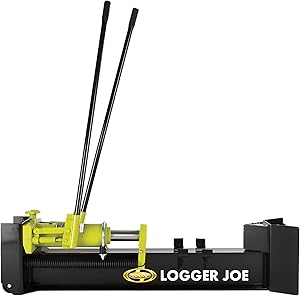
- Splitting Force: 10 tons
- Log Capacity: Up to 18 inches long, 8 inches wide
- Power Source: Manual hydraulic (2-speed pump)
- Construction: Solid steel frame with rear wheels
The Sun Joe 10-Ton Hydraulic Steel Beam Log Splitter is an excellent choice for those seeking a powerful yet cordless solution for their firewood needs. This manual hydraulic splitter generates a robust 10 tons of force, capable of splitting logs up to 18 inches long and 8 inches wide with surprising efficiency. Its 2-speed pump allows you to adjust the force application. This makes it incredibly versatile, ideal for use in remote locations, camping trips, or simply for homeowners who prefer a quieter, emission-free operation.
Crafted with a solid steel frame, the LJ10M is built for durability, promising years of reliable service in various outdoor conditions. Its compact design, coupled with rear wheels, ensures easy portability and convenient storage. Safety and efficiency are also key considerations, featuring a log cradle to prevent split wood from falling and a ram return spring for quick resets between logs.
- Pros:
- Cordless and emission-free operation
- Powerful 10-ton hydraulic force
- Portable with integrated wheels
- Cons:
- Requires manual effort and pumping
- Slower than electric or gas models
2. SuperHandy 14-Ton Portable Electric Log Splitter
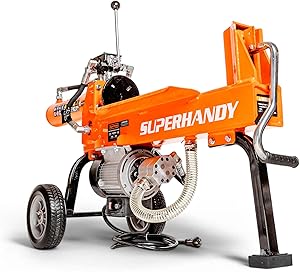
- Splitting Force: 14 tons
- Motor: 2.5eHP 15Amp 1800W Electric
- Log Capacity: Up to 20 inches long, 14 inches diameter
- Cycle Time: 16 seconds (rapid auto return)
The SuperHandy 14-Ton Portable Electric Log Splitter offers an impressive blend of power and convenience for serious homeowners. Driven by a robust 2.5eHP 15Amp electric motor and a 2-Stage 10.5GPM Bucher Hydraulic Gear Pump, this machine delivers a substantial 14 tons of splitting force. It effortlessly handles logs up to 20 inches in length and 14 inches in diameter, making quick work of substantial firewood piles. The rapid auto-return system ensures a swift 16-second cycle time, significantly boosting efficiency and allowing you to process more wood in less time compared to smaller electric or manual units.
Designed with portability in mind, its lightweight horizontal full-beam construction and sturdy 8-inch transport wheels allow for easy maneuvering around your property, making set-up fast and convenient wherever an outlet is available. A major advantage of this electric splitter is its eco-friendliness; unlike gas models, it produces no smog, fumes, or emissions, and operates at a quieter 65dB. Its precision gear pump and brushless induction motor ensure a consistent splitting force, providing a smooth and reliable performance without the clunky operation often associated with less refined machines.
- Pros:
- Strong 14-ton splitting force for an electric model
- Rapid 16-second auto-return cycle time
- Eco-friendly with no fumes or emissions
- Cons:
- Requires access to an electrical outlet
- Hydraulic fluid must be purchased separately
3. BILT HARD 20-Ton Gas Log Splitter
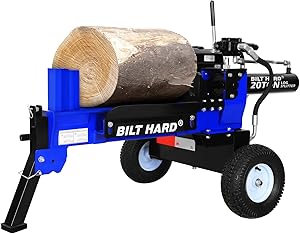
- Splitting Force: 20 tons
- Engine: 7 HP 209cc OHV Gas Engine
- Log Capacity: Up to 21 inches long
- Cycle Time: 7 seconds (fast)
For those facing substantial log splitting tasks, the BILT HARD 20-Ton Gas Log Splitter is a robust and highly efficient solution. Powered by a potent 7 HP 209cc OHV engine, this machine delivers a massive 20 tons of splitting capacity, making short work of even the toughest, largest logs up to 21 inches in length. Its exceptional power and rapid 7-second cycle time mean you can process significant volumes of firewood quickly and efficiently, drastically reducing the time and effort typically associated with large-scale splitting operations. This makes it an ideal choice for homeowners with large properties, those who heat primarily with wood, or anyone who needs to clear substantial timber.
Beyond its raw power, this splitter boasts a highly practical towable design, complete with a 2-in-1 convertible support and 13-inch pneumatic tires. This allows for easy towing behind most ATVs or UTVs at speeds up to 25 MPH, granting unparalleled portability to tackle log piles wherever they may be located, without the constraint of electrical outlets. The heavy-duty hydraulic system operates at 14 GPM, ensuring consistent performance while minimizing contaminants and extending the system’s lifespan.
- Pros:
- Exceptional 20-ton splitting force
- Very fast 7-second cycle time
- Highly portable with towable hitch and pneumatic tires
- Cons:
- Requires gasoline and engine maintenance
- Produces exhaust fumes and is louder than electric models
4. WEN 6.5-Ton Electric Log Splitter with Stand

- Splitting Force: 6.5 tons
- Motor: 15A electric motor
- Log Capacity: Up to 20.5 inches long, 10 inches diameter
- Feature: Removable 34-inch portable stand
The WEN 6.5-Ton Electric Log Splitter (56208) is a practical and user-friendly option for homeowners with moderate firewood needs. Its powerful 15A motor delivers over 13,000 pounds of log-cracking pressure, capable of splitting logs up to 20.5 inches in length and 10 inches in diameter. This capacity is perfectly suited for preparing fireplace wood, kindling, or smaller wood stove logs. One of its standout features is the included 34-inch portable stand, which allows users to operate the splitter at a comfortable working height, reducing strain on the back and knees. Alternatively, the splitter can be used without the stand, offering flexibility for ground-level splitting or when space is limited.
Operating on electric power, the WEN 56208 eliminates the need for gasoline, oil changes, or concerns about carbon monoxide emissions, making it a much cleaner and quieter alternative to gas-powered models. This also translates to limited maintenance, ensuring your splitter is ready to go when you are. Transportation is made easy with an included pull handle and 5.5-inch never-flat wheels, allowing for smooth movement between your wood pile and storage area. For those who prioritize convenience, eco-friendliness, and a reliable performance for regular but not excessively heavy log splitting, the WEN electric splitter with its versatile stand is a highly valuable investment.
- Pros:
- Eco-friendly, no gas fumes or emissions
- Includes a convenient portable stand for ergonomic use
- Quiet operation compared to gas models
- Cons:
- Lower splitting force than gas models
- Requires access to an electrical outlet
5. Kindling Cracker Manual Firewood Splitter

- Operation: Manual (striking with hammer/mallet)
- Design: Safe, no moving blade
- Log Opening: 6.5 inches inside diameter
- Material: High-quality cast iron
The Kindling Cracker Firewood Splitter reinvents the process of making kindling, prioritizing safety and simplicity above all else. Unlike traditional axes or powered splitters, this innovative tool eliminates the danger of a moving blade passing near your hands. Instead, you simply place a log inside the 6.5-inch diameter top ring and strike it with a hammer or mallet, allowing the integrated wedge to split the wood cleanly and efficiently. This design significantly reduces the risk of accidents, making it a perfect choice for anyone wary of wielding an axe or for families where safety is a paramount concern.
Constructed from high-quality cast iron, this splitter is not only incredibly durable but also virtually maintenance-free, promising a lifetime of reliable performance. It’s designed to split firewood with considerably less force than a standard axe, making the task less strenuous and more accessible for a wider range of users. While it’s primarily intended for kindling and smaller logs, its robust build and clever design make it an indispensable tool for preparing starter wood for fireplaces, fire pits, or wood stoves.
- Pros:
- Extremely safe operation with no moving blades
- Simple and easy to use for all skill levels
- Made from durable, high-quality cast iron
- Cons:
- Manual effort required
- Only suitable for kindling and small logs
6. BILT HARD 6.5-Ton Electric Log Splitter

- Splitting Force: 6.5 tons
- Motor: 15 Amps (3,400 RPM)
- Log Capacity: Up to 20.5 inches long, 9.8 inches diameter
- Cycle Time: 18 seconds (auto-return)
The BILT HARD 6.5-Ton Electric Log Splitter offers a reliable and eco-friendly solution for homeowners needing to process moderate amounts of firewood. Powered by a robust 15-amp motor, this splitter generates 6.5 tons of log-cracking pressure, capable of efficiently handling logs up to 20.5 inches in length and 9.8 inches in diameter. Its hydraulic ram quickly resets in an 18-second cycle time, allowing for continuous and effortless cutting, saving significant time and physical strain. The durable steel construction ensures long-lasting stability and performance, making it a dependable tool for years to come.
Designed with safety and environmental consciousness in mind, this electric splitter features two-hand controls, ensuring the operator’s safety during use. Its fume-free operation eliminates carbon monoxide and other toxic emissions, making it a quieter and cleaner alternative to gas models, suitable for use in residential areas. Portability is also a key feature, with sturdy 5.7-inch transport wheels that allow for easy movement across various terrains, from sand to uneven roads. The precision gears and copper motor windings ensure a consistent splitting force, making this BILT HARD electric splitter an efficient, safe, and portable option for routine firewood preparation.
- Pros:
- Eco-friendly with no fumes or emissions
- Features two-hand safety controls
- Good portability with robust transport wheels
- Cons:
- Moderate 6.5-ton splitting force
- Requires an electrical outlet for operation
7. SuperHandy 20-Ton Gas Log Splitter

- Splitting Force: 20 tons
- Engine: 7 HP 4-stroke OHV Gas Engine
- Log Capacity: Up to 20 inches long, 16 inches diameter
- Cycle Time: 7.5 seconds (rapid)
The SuperHandy 20-Ton Gas Log Splitter is a powerhouse designed for heavy-duty firewood processing, offering commercial-grade quality for demanding tasks. Equipped with a reliable AlphaWorks 7 HP 4-stroke OHV gas engine and an ultra-reliable 2-Stage Bucher Hydraulic Gear Pump, this machine delivers a formidable 20 tons of splitting force. It effortlessly handles large logs up to 20 inches in length and an impressive 16 inches in diameter, making it ideal for clearing dense timber and preparing substantial quantities of firewood for fireplaces, wood stoves, or even commercial supply.
One of its significant advantages is its impressive efficiency, boasting a rapid 7.5-second cycle time. This fast turnaround between splits allows for continuous and high-volume work, drastically cutting down on the time spent processing wood. Despite its immense power, SuperHandy has prioritized portability; its lightweight horizontal full beam design, coupled with sturdy 10-inch tubeless polyurethane wheels and an ergonomic folding handle, ensures smooth maneuvering and easy transportation from site to site without the need for an electrical power source.
- Pros:
- Exceptional 20-ton splitting force for large logs
- Very fast 7.5-second cycle time for high efficiency
- Powerful 7 HP gas engine offers great versatility
- Cons:
- Requires gasoline and engine maintenance
- Produces exhaust fumes and is louder than electric models
How to Choose Budget Log Splitters
Log splitting, once a grueling chore synonymous with back-breaking labor and endless swings of an axe, has been revolutionized by modern machinery. For anyone who heats with wood, maintains a large property, or simply enjoys a roaring fire, a log splitter is an invaluable investment. However, with a myriad of options on the market, choosing the cheap log splitter can be challenging. This comprehensive guide will walk you through the essential factors to consider, helping you find a log splitter that offers both exceptional performance and long-term value for your specific needs.
Understanding Your Needs: Manual, Electric, or Gas?
The first step in choosing the right log splitter is to assess the scale and nature of your firewood splitting tasks. Log splitters generally fall into three main categories: manual, electric, and gas-powered, each suited for different requirements.
Manual Log Splitters
Manual log splitters, such as the Kindling Cracker, are the simplest and most affordable option. They rely on hydraulic pressure or a leverage system, often requiring you to pump a handle or strike with a mallet to split the wood. These are best for:
- Small-scale needs: Perfect for occasional use, making kindling, or splitting smaller logs for a campfire or infrequent fireplace use.
- Portability: Often lightweight and easy to transport to remote areas where electricity is unavailable.
- Quiet operation & no emissions: Ideal for residential areas or enclosed spaces where noise and fumes are concerns.
- Budget-conscious buyers: The lowest upfront cost and minimal maintenance.
However, they require significant physical effort and are much slower than powered alternatives, making them unsuitable for large volumes of wood.
Electric Log Splitters
Electric log splitters offer a step up in power and convenience from manual models. They plug into a standard electrical outlet and use an electric motor to power a hydraulic ram. They are an excellent middle-ground option for:
- Medium-scale splitting: Capable of handling moderate amounts of logs (typically 1-2 cords per year) for a wood stove or fireplace.
- Environmentally conscious users: Produce no exhaust fumes and are significantly quieter than gas models.
- Convenience: Simple to operate with the push of a button, minimal maintenance (no fuel, oil changes, or spark plugs).
- Indoor/residential use: Their quieter operation and lack of emissions make them suitable for garages or more densely populated areas.
The main limitation is their reliance on an electrical outlet and typically lower splitting force compared to gas models, which can restrict their use with very large or dense hardwoods.
Gas Log Splitters
Gas-powered log splitters are the most powerful and versatile option, designed for heavy-duty tasks and commercial applications. They are equipped with a gasoline engine that powers a hydraulic system. Choose a gas splitter if you need to:
- Process large volumes of wood: Ideal for heating an entire home with wood, clearing large tracts of land, or commercial operations.
- Split large and tough logs: Offer the highest tonnage, easily tackling knotty, green, and extremely hard woods.
- Work in remote locations: Completely portable and self-contained, not requiring an electrical hookup.
- Maximize efficiency: Generally have the fastest cycle times, allowing you to split more wood in less time.
The trade-offs include higher upfront costs, louder operation, exhaust emissions, and more intensive maintenance (oil changes, fuel, spark plugs) compared to electric models.
Key Factors to Consider When Buying
Once you’ve decided on the type of log splitter that suits your needs, delve deeper into these specifications to ensure you get the best value for your money.
Tonnage (Splitting Force)
Tonnage refers to the maximum force the splitter can exert on a log. This is perhaps the most critical specification.
- Under 10 tons: Suitable for small, dry, softwoods like pine or logs under 8 inches in diameter. Manual and some entry-level electric splitters fall here.
- 10-20 tons: Good for most hardwoods, green wood, and logs up to 12-16 inches in diameter. Most electric and mid-range gas splitters fit this category.
- 20+ tons: Essential for very large, knotty, or extremely dense hardwoods (e.g., oak, hickory) and logs over 16 inches in diameter. Typically found in powerful gas models.
Match the tonnage to the type and size of wood you primarily split. Over-specifying means paying more for power you don’t need; under-specifying leads to frustrating jams.
Log Capacity (Length and Diameter)
Check the maximum log length and diameter the splitter can accommodate. Ensure these dimensions match or exceed the typical size of the logs you will be processing. Most splitters handle logs around 20-21 inches long, but diameter capacity varies significantly.
Cycle Time
This is the time it takes for the hydraulic ram to extend, split the log, and retract to its starting position. A faster cycle time (e.g., 7-15 seconds for gas splitters, 15-20+ seconds for electric) means you can process more wood in less time. While not a deal-breaker for occasional users, it’s crucial for high-volume work.
Engine Power (for Gas Models) or Motor Amperage (for Electric Models)
For gas splitters, higher horsepower (HP) indicates more robust performance. For electric models, higher amperage (Amps) signifies a more powerful motor that can maintain consistent splitting force. A 15-amp motor is standard for most effective electric splitters.
Portability and Storage
Consider how you’ll move and store your splitter.
- Wheels: Most powered splitters come with wheels for easier movement. Larger pneumatic tires are better for uneven terrain.
- Weight: Lighter models are easier to push by hand; heavier gas models often require towing.
- Towable Hitch: For large gas splitters, a towable hitch (e.g., for an ATV/UTV) is invaluable for moving the unit across larger properties.
- Vertical/Horizontal Operation: Some heavy-duty splitters can be oriented vertically to split large, heavy logs without lifting them onto the beam.
Safety Features
Always prioritize safety. Look for features like:
- Two-hand operation: Requires both hands to engage the splitting action, keeping hands away from the wedge.
- Log cradles: Prevent split wood from falling haphazardly.
- Auto-return: Automatically retracts the ram, freeing up one hand.
- Emergency stop: A readily accessible button to halt operation immediately.
Durability and Construction
A log splitter is a heavy-duty tool; it needs to be built to last. Look for:
- Solid steel frames: Indicate robust construction.
- High-quality wedges: Made from hardened steel for longevity and effective splitting.
- Reputable brands: Companies known for quality outdoor power equipment often offer better support and spare parts.
Maintenance
Consider the upkeep required. Electric and manual splitters are virtually maintenance-free. Gas splitters require regular oil changes, spark plug checks, and fuel stabilization, similar to a lawnmower, adding to their long-term cost and time commitment.
Budgeting for Your Log Splitter
The price range for log splitters is broad:
- Manual splitters: $50 – $200
- Electric splitters: $300 – $800
- Gas splitters: $1,000 – $3,000+
While it’s tempting to go for the cheapest option, consider the long-term value. A slightly more expensive model that perfectly matches your needs, is durable, and saves you significant time and effort will likely be a better investment than a cheaper one that constantly struggles or requires frequent repairs.
Additional Features and Accessories
Some splitters offer extra features that can enhance usability:
- Work tables: Provide a surface to place split wood.
- Covers: Protect the machine from weather elements during storage.
- Hydraulic fluid included: A small but convenient bonus, as it’s often sold separately.
Making the Right Decision for Your Home
Choosing the best inexpensive log splitter boils down to a clear understanding of your specific needs balanced against the features and cost. Start by estimating your annual firewood volume and the typical size/hardness of your logs. Then, consider your budget, available space, and willingness for maintenance. Whether you opt for the quiet efficiency of an electric model, the raw power of a gas splitter, or the simple safety of a manual option, investing in the right log splitter will transform a challenging task into a manageable and even satisfying part of preparing for colder seasons. By carefully evaluating tonnage, capacity, cycle time, and portability, you can confidently select a log splitter that provides excellent value and reliable performance for years to come.